How to Design a Climate-Resilient Vegetable Garden in 2026: A Step-by-Step Guide
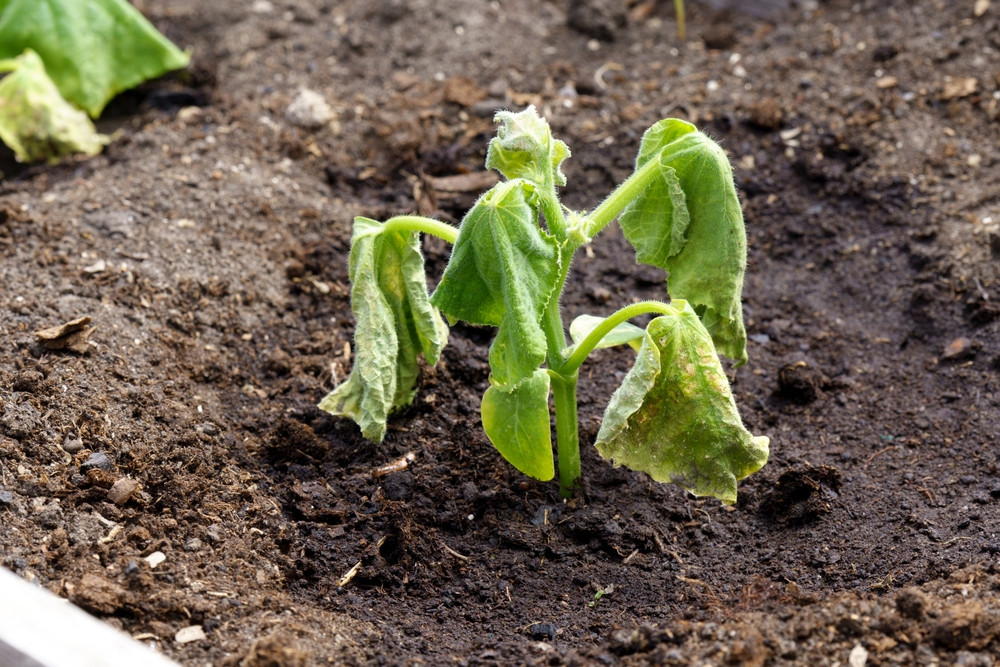
A climate-resilient vegetable garden uses strategic layout, drought-tolerant varieties, and smart water management to maintain yields during unpredictable 2026 weather patterns. By focusing on soil health and 'tabletop' or compact varieties, gardeners can ensure food security regardless of heatwaves or heavy rain.
This guide will walk you through creating a garden that thrives, no matter what nature throws its way.
What are the Best Climate-Resilient Vegetables for 2026?
Choosing the right plants is foundational for a resilient garden. In 2026, focus on varieties known for their tolerance to extreme heat, drought, or sudden deluges:
- Heat-Tolerant Tomatoes: Look for varieties like 'Heatmaster' or 'Solar Fire', which are bred to set fruit even in temperatures above 32°C.
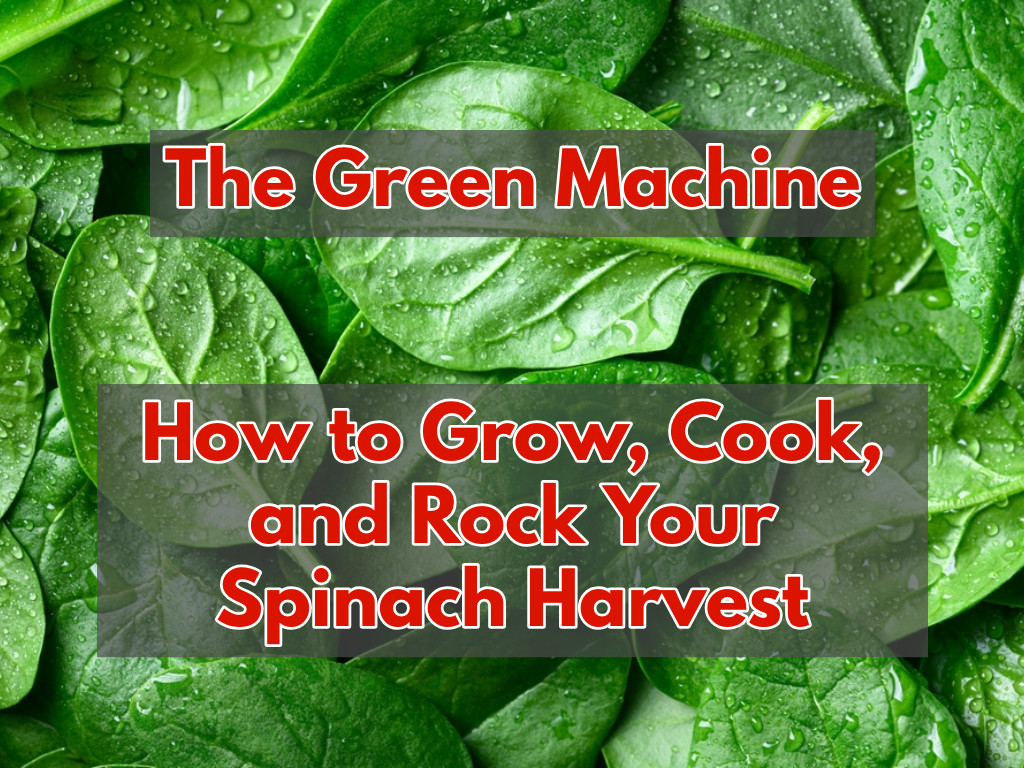
- Drought-Resistant Leafy Greens: Perpetual spinach and New Zealand spinach are excellent choices. They tolerate drier conditions better than traditional spinach.
- Root Vegetables: Carrots, radishes, and sweet potatoes are generally more forgiving during dry spells as their edible parts are protected underground.
- Fruit Shrubs: Blackcurrants and Goji berries are robust, long-lived plants that can withstand a range of conditions once established.
- Compact & Tabletop Varieties: Dwarf beans, mini bell peppers, and bush cucumbers are perfect for smaller spaces or containers, allowing for easier relocation if extreme weather hits.
5 Steps to Plan Your Resilient Garden Layout
Strategic planning is key to mitigating climate challenges. Follow these steps to design a robust and adaptable garden:
- Assess Your Microclimates: Identify sunniest, shadiest, and wettest areas. Hot spots might need shade cloth, while damp areas are perfect for water-loving plants.
- Optimize Soil Health: Healthy soil retains moisture better. Incorporate plenty of organic matter like compost, which acts like a sponge, soaking up excess water.
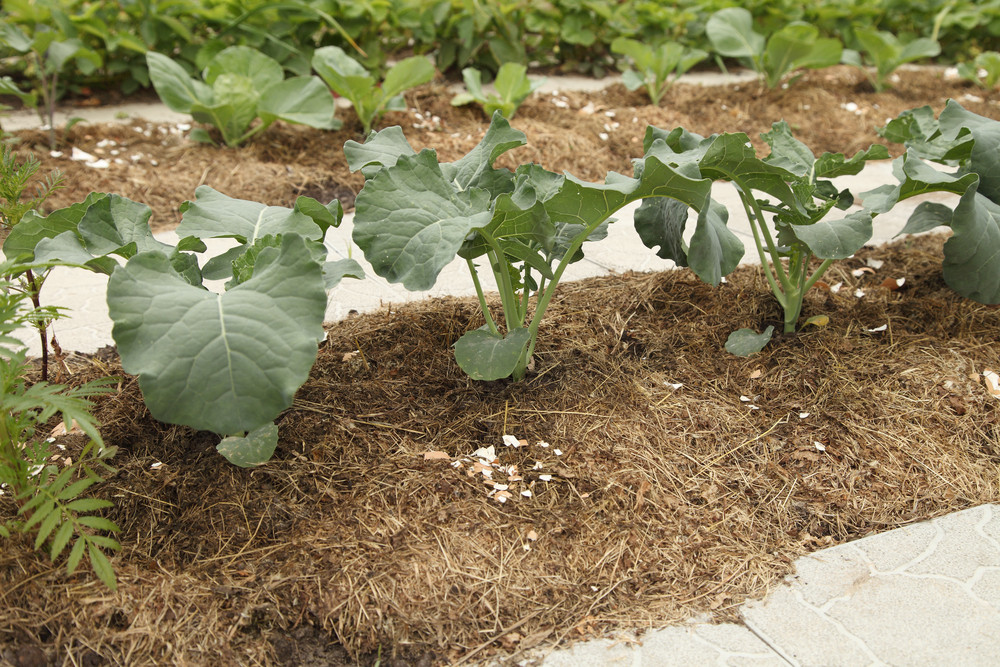
- Implement Water-Saving Strategies: Use drip irrigation to deliver water directly to roots and apply a 2-4 inch layer of organic mulch to reduce evaporation by up to 70%.
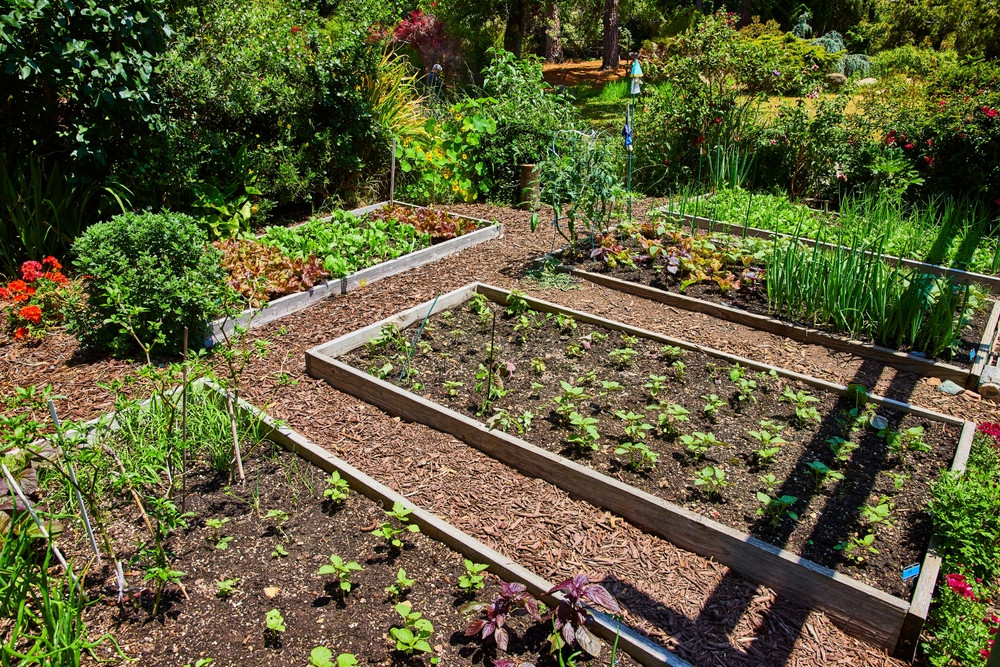
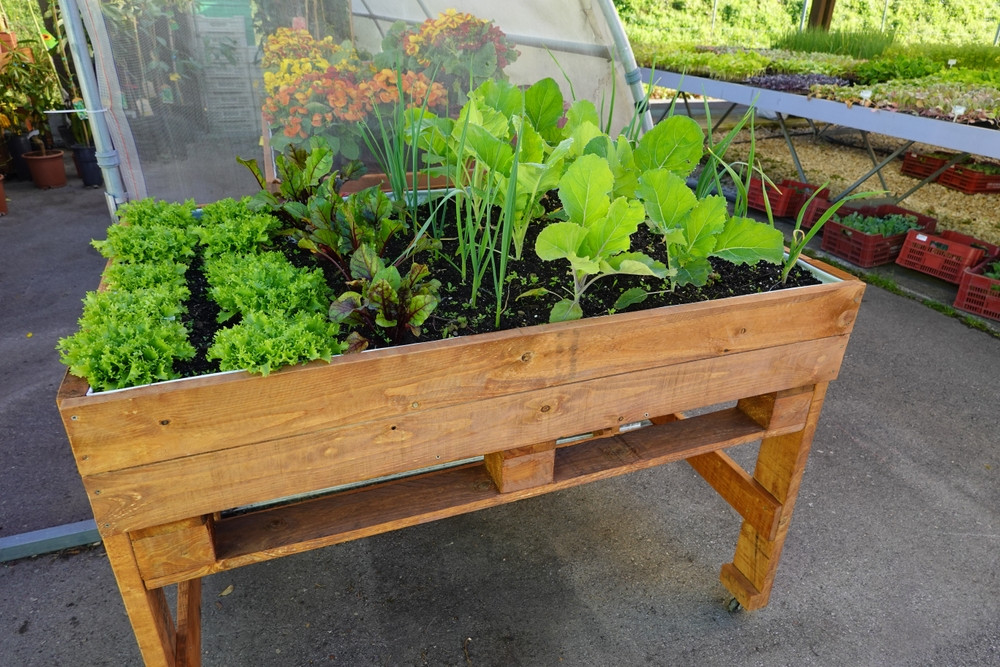
- Embrace Vertical & Container Gardening: Growing "up, not out" maximizes space. Tabletop vegetable gardens are a major 2026 trend, offering flexibility and efficient resource use.
- Group Plants by Need: Place plants with similar water and sun requirements together (hydro-zoning) to make irrigation more efficient.
Using Technology for Smart Garden Planning
In 2026, technology is your best friend for creating a truly resilient garden. Tools like VegPlotter simplify the planning process, allowing you to visualize and adapt your garden layout with ease.
VegPlotter enables you to:
- Map out your garden dimensions accurately.
- Experiment with plant groupings to maximize shade or water access.
- Strategically place crops to optimize for companion planting benefits.
By virtually testing different layouts, you ensure you make the most of every inch of your space before you even pick up a trowel.
Frequently Asked Questions about Climate-Resilient Gardening
When should I start planning my 2026 climate-resilient garden?
The best time to start planning is during the late fall or winter months (October to February). This allows ample time to assess your garden space and research resilient varieties before the spring planting season.
How do I protect my garden from unexpected extreme weather?
Use temporary shade cloths during heatwaves, cloches or row covers for unexpected cold snaps, and ensure good drainage (like raised beds) to prevent waterlogging from heavy rains.
What is "tabletop veg" and why is it important for resilience?
"Tabletop veg" refers to growing vegetables in containers or elevated beds. This is vital for resilience because it allows gardeners to easily move plants to sheltered locations during extreme weather events.
Can I transition my existing garden to be more climate-resilient?
Absolutely. Start by improving your soil with compost, implementing mulching, and introducing drip irrigation. Gradually replace vulnerable plant varieties with more resilient ones over a few seasons.