How to Use Successional Sowing & Catch Crops for a Non-Stop Harvest
It’s June in the Northern Hemisphere. The frantic rush of spring planting is finally behind you, the weather is warm, and you’re likely starting to harvest your first crisp radishes, tender spinach, and early salad leaves.
But as those early crops come out, they leave behind empty patches of bare soil.
In a traditional garden, these gaps quickly become a breeding ground for weeds. But for a smart gardener, these empty spaces represent a massive opportunity. Welcome to the Mid-Summer Pivot—the strategic art of using successional sowing and catch crops to keep your plot highly productive all the way into autumn and winter.
In this guide, we’ll break down exactly what to plant right now, provide extensive lists of high-yield varieties, and show you how a digital garden planner like VegPlotter makes managing your garden’s changing timeline effortless.
What is the Mid-Summer Pivot?
The Mid-Summer Pivot relies on two core intensive gardening techniques:
- Successional Sowing: Planting the same crop at staggered intervals (e.g., every 2–3 weeks) instead of all at once. This ensures a steady, manageable supply of fresh food rather than a devastating "glut" where everything ripens simultaneously.
- Catch Crops: Fast-growing crops that are sown or planted in the brief gaps between harvesting an early-season vegetable and planting a late-season one.
By mastering these two techniques, you maximize your vertical and horizontal space, prevent soil erosion, suppress weeds naturally, and drastically increase your overall yield per square meter.
What Can You Plant in June? (Northern Hemisphere)
June is a unique month in the kitchen garden if you are growing in the Northern Hemisphere. The soil is thoroughly warm, daylight hours are at their peak, and germination happens in days rather than weeks.
Here is an extensive list of exactly what you can sow or transplant right now, categorized by crop type and speed:
1. Ultra-Fast "Catch Crops" (Ready in 3 to 6 Weeks)
These are perfect for sliding into small gaps left behind by early spring harvests.
- Radishes: The ultimate catch crop. Varieties like French Breakfast or Cherry Belle go from seed to plate in just 21 to 25 days.
- Salad Leaves & Loose-Leaf Lettuce: Avoid crisphead varieties which bolt (go to seed) easily in hot weather. Instead, sow "cut-and-come-again" mixes, Oakleaf, or Salad Bowl. They provide edible leaves in less than a month.
- Rocket (Arugula): Germinates within days. Harvest young for a peppery kick before the midday heat turns it too spicy.
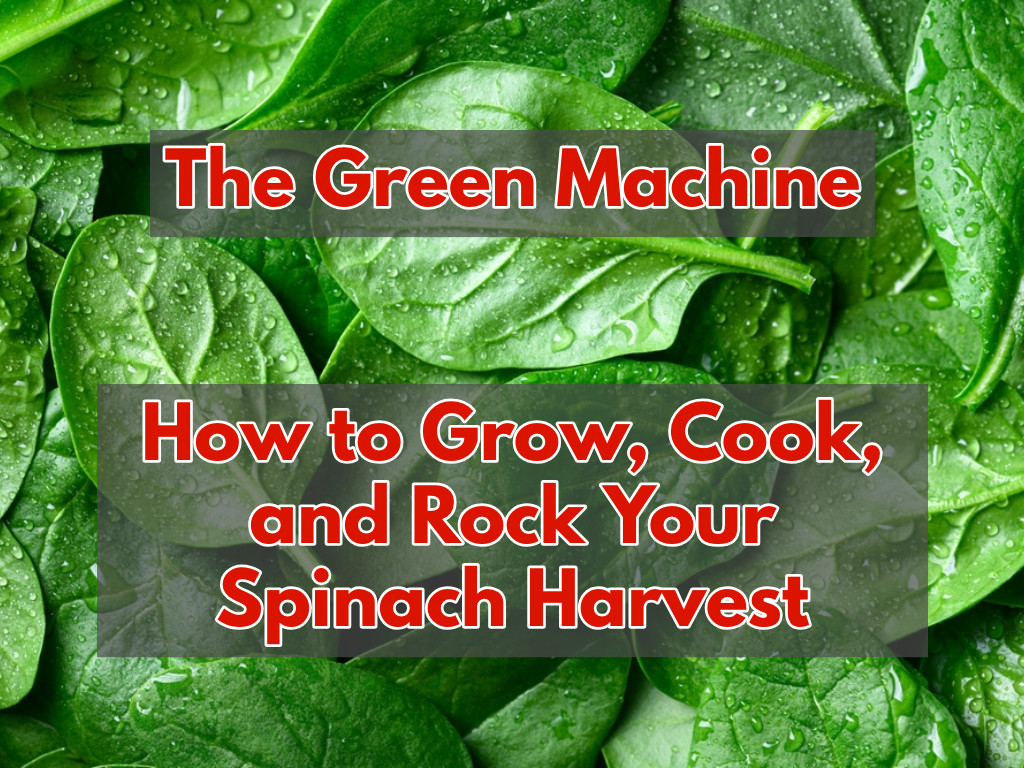
- Spinach (Baby Leaf): Sow in partial shade to prevent bolting. Harvest as tender baby greens in 30–40 days.
- Pak Choi & Tatsoi: These Asian greens thrive as daylight hours begin to shift. Ready for stir-fries in 35–45 days.
2. Fast-Growing Successional Crops (Ready in 6 to 9 Weeks)
Sow these every two weeks from now until the end of July to keep your harvests consistent.
- Beetroot: Varieties like Boltardy or Detroit Dark Red thrive when sown in June. Pull them small and sweet as "baby beets," or let them mature for autumn storage.
- Spring Onions (Scallions): Sow every 3 weeks for a continuous supply of crisp, sharp stems. White Lisbon is a reliable choice.
- Bush Beans (French / Snap Beans): Dwarf varieties like Blue Lake Dwarf or Tendergreen grow rapidly in warm soil. Because they don’t require massive trellising, they are incredibly easy to slot into clearing beds.
- Peas (for Shoots or Quick Pods): Sow early-maturing varieties like Kelvedon Wonder. Alternatively, sow any standard pea tightly in a small row and harvest the tender, sweet tips as pea shoots within 3 weeks.
- Turnips: Fast-growing varieties like Snowball yield sweet, crisp roots in around 6 weeks—nothing like the woody turnips of old.
3. Last-Chance Main Crops (Sow Now for Autumn/Winter)
June is your final deadline to plant major crops that require the remaining summer heat to mature before the first frosts.
- Main-crop Carrots: Sow varieties like Autumn King or Chantenay by mid-June. Sowing now often helps you escape the first generation of the dreaded carrot fly.
- Runner Beans & Pole Beans: If you haven’t put them in yet, get them into the ground immediately. They will shoot up rapidly under the June sun.
- Sweetcorn: Ensure your sweetcorn transplants are in the ground by early June, planted in a tight block (rather than a long line) to guarantee wind pollination.
- Courgettes (Zucchini) & Summer Squash: A late sow in June provides a fresh, productive wave of plants that will take over just as your early-sown spring courgettes begin to suffer from powdery mildew in late August.
Step-by-Step: How to Execute a Successful June Pivot
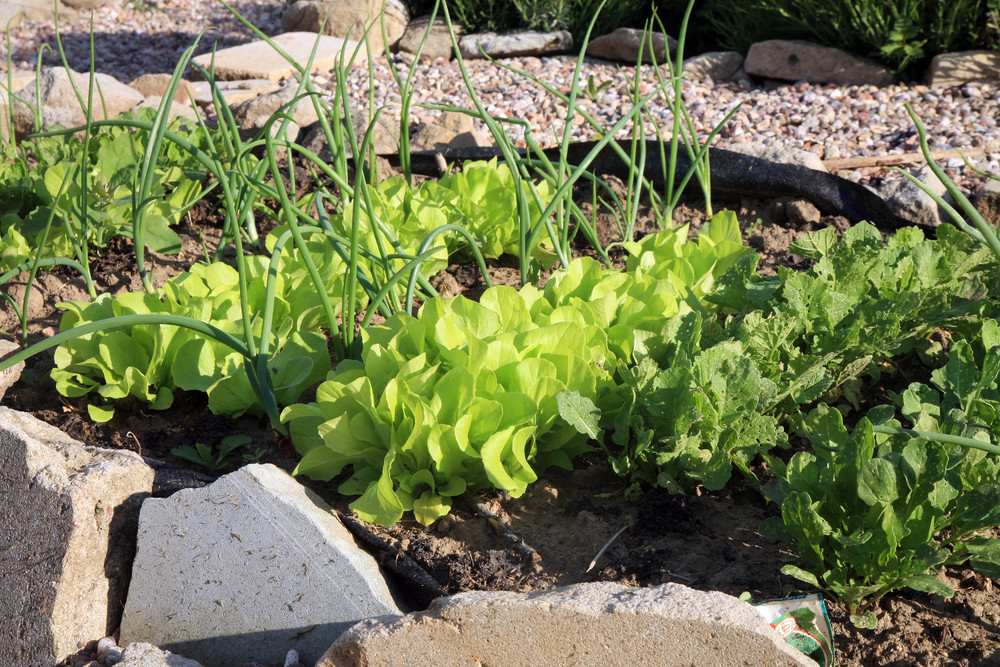
- Clear and Clean: As soon as an early crop finishes, harvest it completely. Remove any spent plant debris to discourage pests like slugs and snails.
- Rejuvenate the Soil: Early crops have already used up a portion of the nutrients in the top layer of soil. Top up the bed with a 1–2 inch layer of rich, well-rotted compost. Do not dig it in; simply rake it flat to preserve soil structure.
- Check the Shade: In June, the sun is high and intense. Use taller, established plants (like tomatoes, climbing beans, or sweetcorn) to create natural shade zones. Plant your heat-sensitive catch crops—like spinach and lettuce—on the northeast side of these taller crops to keep them cool and prevent bolting.
- Water Deeply: Warm weather means fast evaporation. Always water your newly sown seeds deeply in the evening or early morning so the moisture reaches the root zone before cooking under the sun.
The Digital Solution: Managing Your Pivot with VegPlotter
While successional sowing sounds simple on paper, tracking it in a chaotic summer garden can quickly become overwhelming.
When did you plant that second row of radishes? When will the early potatoes come out to make room for the winter kale? Where did you put the carrots last year?
This is exactly where VegPlotter’s digital garden planner becomes your secret weapon.
1. Master the Month-by-Month Timeline View
Instead of treating your garden plot as a static map, VegPlotter features an intuitive Month-by-Month slider. You can visually scrub forward from May to June, July, and August.
- As you mark your early salad crops as "harvested" in June, those squares on your digital map open back up.
- You can instantly see exactly how much space you have available for your next catch crop without guessing.
2. Avoid Rotation Mistakes in Real-Time
When you are rapidly swapping crops in and out during the summer scramble, it’s easy to accidentally plant a brassica (like pak choi) where another brassica just came out. This invites soil-borne diseases like clubroot. VegPlotter tracks your crop history automatically. When you drag and drop a new catch crop onto a bed, the software reminds you of what was planted there previously, keeping your crop rotation flawless.
3. Optimize Spacing and Companion Planting
When slotting French beans next to maturing onions, getting the spacing right is crucial so that plants don't choke each other out. VegPlotter automatically calculates the correct spacing requirements for every single variety you add, showing you precisely how many plants will comfortably fit into your newly cleared space.
Don't Let Your Plot Go Idle
The biggest mistake a gardener can make in June is leaving soil bare. Nature abhors a vacuum, and if you don't plant a delicious catch crop, the wind will plant weeds for you.
Grab your seeds, look for those newly cleared patches in your beds, and use VegPlotter to map out your mid-summer pivot. You’ll be harvesting continuous, fresh produce well into the crisp autumn months!
Ready to maximize your garden's footprint? Sign up for a free VegPlotter account today and map out your successional planting schedule in minutes!