The Ultimate Guide to Growing Figs: History, Culinary Uses, and Expert Care Tips
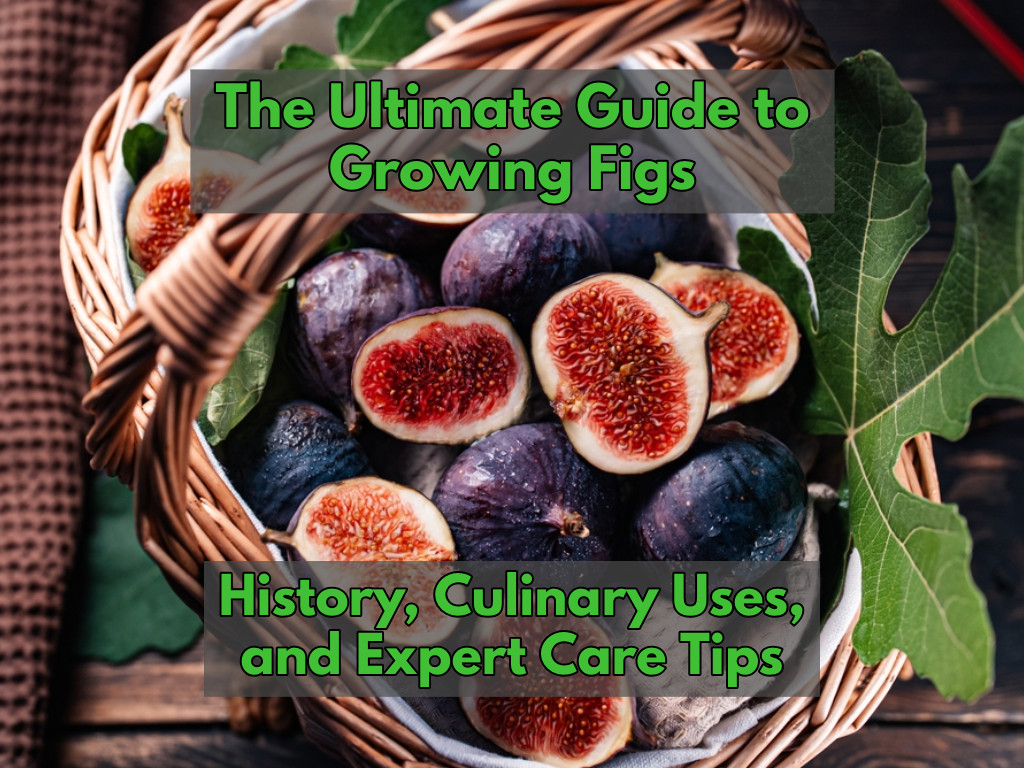
Whether you are dreaming of plucking sun-warmed, jammy figs straight from your garden or looking to add a majestic, architectural fruit tree to your plot, the fig tree (Ficus carica) is a remarkable choice.
At VegPlotter, we believe every gardener-from urban balcony growers to allotment pros-can master the art of growing figs. In this comprehensive guide, we delve into the rich history, versatile culinary uses, and essential growing techniques you need to cultivate your own thriving fig tree.
The Fascinating History of the Fig
Figs are among the oldest cultivated plants in human history, predating wheat, barley, and legumes by thousands of years.
- Ancient Origins: Fossilised figs discovered in the Jordan Valley date back over 11,000 years, pointing to early agricultural domestication in the Neolithic era.
- Cultural & Sacred Significance: The fig holds a prominent place in world mythologies and religions. Mentioned in the Bible (where fig leaves were used as clothing in the Garden of Eden), Quran, and Torah, it also symbolizes knowledge and wisdom in Buddhist tradition—the Buddha is said to have attained enlightenment under the sacred Bodhi tree, a close cousin of the fig (Ficus religiosa).
- Mediterranean Staple: In ancient Greece and Rome, figs were a staple food for Olympic athletes and legionnaires alike. Pliny the Elder wrote extensively on the dozens of fig varieties cultivated across the Mediterranean basin.
- Global Journey: Spanish explorers brought figs to the Americas in the 16th century, leading to the creation of popular varieties like the Mission fig in California.
Botany Breakdown: A Very Unique "Fruit"
What we call the fig "fruit" is botanically a syconium-an inverted flower stem containing hundreds of tiny flowers blooming inward.
In their wild, native habitats, figs share an incredible symbiotic relationship with tiny fig wasps (Blastophaga psenes), which pollinate these interior flowers. Fortunately for home growers, most self-fertile garden varieties (such as Brown Turkey or Chicago Cold Hardy) do not require wasp pollination to produce abundant, sweet fruit!
Delicious & Versatile Uses of Figs
Figs are prized for their unique honeyed sweetness, smooth texture, and gentle crunch from tiny seeds.
- Fresh Delights: Ripe figs are best eaten straight off the tree. Slice them into summer salads with prosciutto, goat cheese, and a drizzle of balsamic glaze.
- Baking & Cooking: Roast figs with honey and thyme, bake them into tarts, or stew them into savory chutneys to pair with rich cheese boards.
- Preserving: Because fresh figs have a short shelf life, preserving them as jams, jellies, or dried snacks ensures you can enjoy your harvest all year round.
- Fig Leaves: Don't throw away the leaves! Wrapped around grilled fish or goat cheese, fig leaves impart a delicate, earthy, coconut-vanilla aroma during cooking.
How to Grow Figs: The VegPlotter Step-by-Step Guide
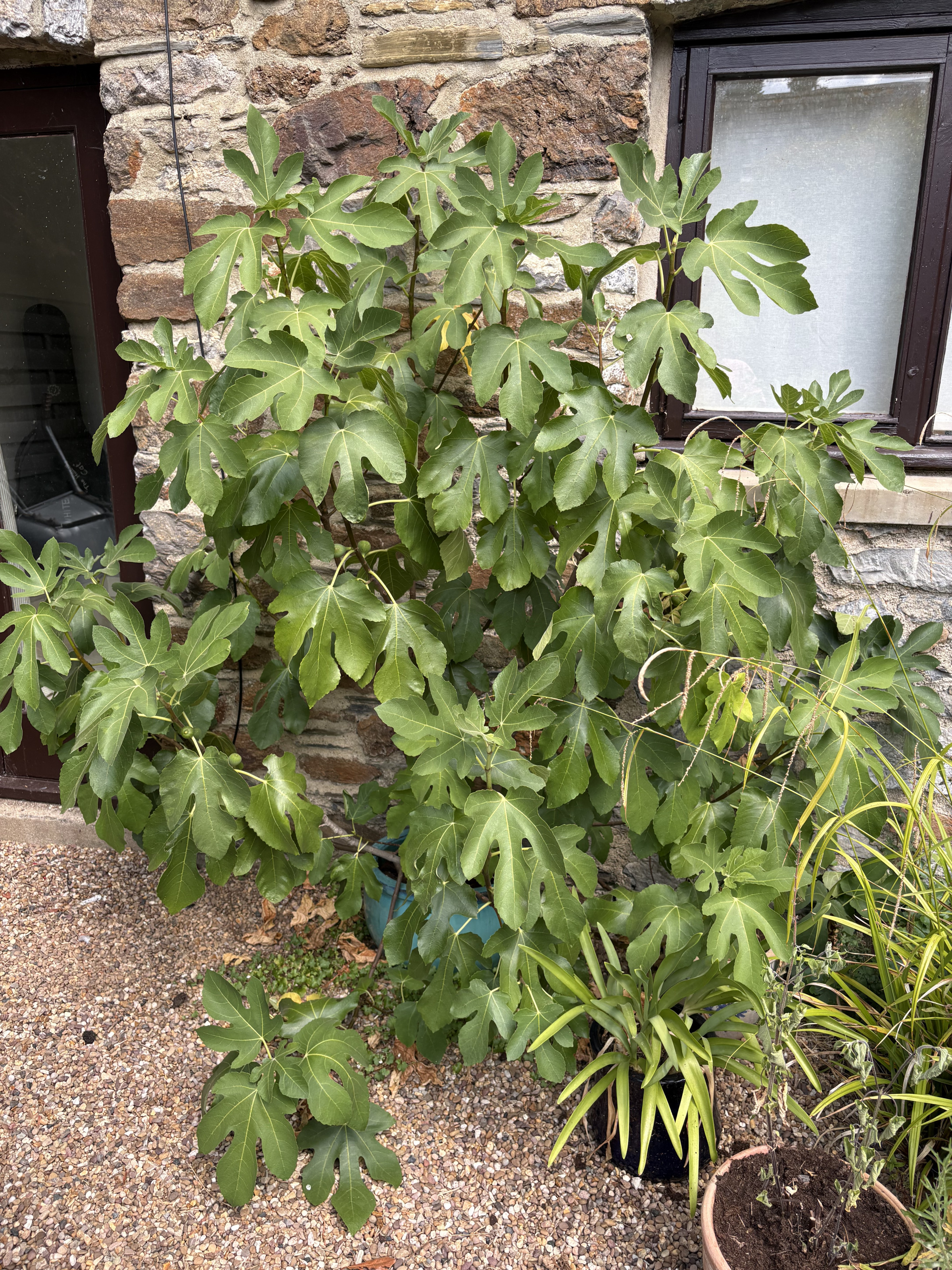
Growing fig trees is essentially a game of "tough love." If you give them too much open space and nutrients, they will produce massive, beautiful leaves but zero fruit. To guarantee a heavy yield, you must constrain their root system and maximize sun exposure.
1. The Golden Rule: Restrict the Roots
To force a fig tree to focus its energy on fruit rather than timber:
- In Containers: Use a large container (at least 30–40 cm wide). Container growing is ideal for keeping roots controlled and allows you to move the pot into shelter during harsh winters.
- In the Ground: Dig a "fig pit" (approx. 60 cm square). Line the vertical sides with paving slabs or bricks to form a subterranean box, and lay a 15 cm layer of rubble or broken bricks at the bottom to stop roots from tunneling deep downward.
2. Location & Soil Requirements
- Light: Figs crave maximum warmth and sunlight. Position your tree against a south-facing or west-facing brick wall, which absorbs heat during the day and radiates it back at night.
- Soil: Use a soil-based potting mix (such as John Innes No. 3) mixed with horticultural grit for fast drainage. Aim for a neutral to slightly alkaline soil pH between 6.0 and 7.0.
3. Feeding & Watering Routine
- Watering: While established figs tolerate drought, they require consistent moisture while fruit is swelling during late spring and summer. If soil dries out completely, the tree may drop its fruit crop to conserve energy.
- Feeding: Apply a slow-release general fertilizer in early spring. Once tiny figs appear in early summer, switch to a high-potassium liquid feed (like tomato fertilizer) every two weeks until ripening begins.
4. Pruning for Maximum Harvest
Pruning keeps your tree manageable and promotes heavy fruiting:
- Early Spring: Cut back dead, damaged, or crossing branches. You can also cut back one or two older stems to the base to encourage fresh growth. Crucial: Do not remove branch tips that carry tiny, pea-sized embryo fruitlets—these form your main summer crop!
- Early Summer (June): Pinch out the growing tips of new shoots once they have produced 5–6 leaves. This stops vegetative growth and redirects energy straight into ripening the fruit.
- The "September Clean": In late September, strip off any unripened figs larger than a pea. They will not survive the winter cold and will rot. Only the tiny, embryo figs at the tip of the branches will overwinter to become next year's crop.
5. Overwintering Protection
In cooler climates (like the UK or USDA zones 5–7):
- In-ground trees: Wrap branches with horticultural fleece or straw before heavy winter frosts arrive.
- Potted trees: Move containers into an unheated shed, garage, or porch. Because fig trees are deciduous, they do not require light while dormant in winter.
Harvesting Figs: Timing is Everything
Unlike apples or tomatoes, figs will not ripen after being picked. Harvesting requires patience and precision!
The Three Signs of Ripeness
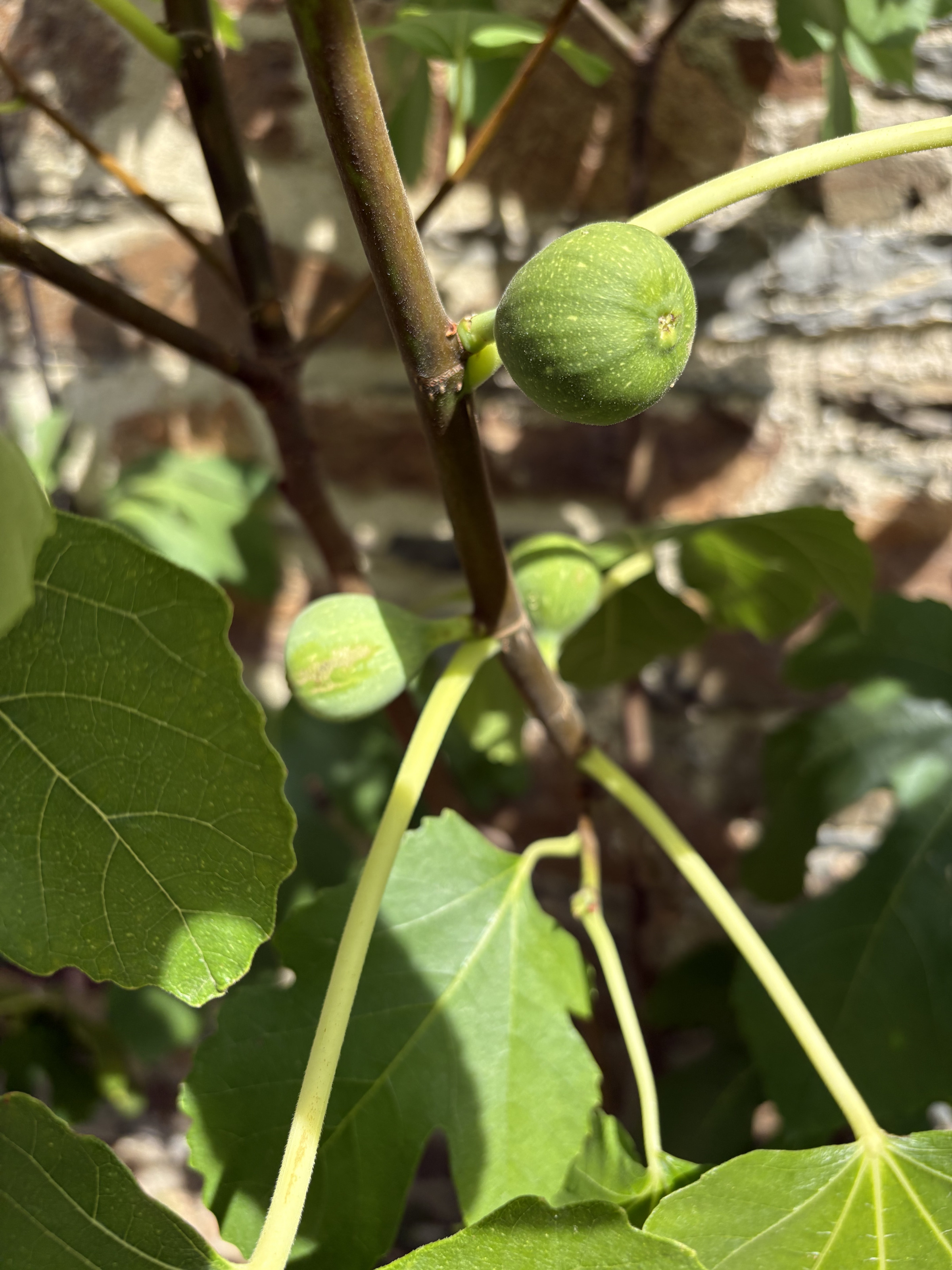
- The Droop: A ripe fig loses its rigidity and hangs downward heavy on the stem instead of sticking out horizontally.
- The Color Shift: The skin transitions from hard green to its final mature shade (deep purple, warm bronze, or pale honey-yellow depending on variety).
- The Texture: A gentle squeeze reveals a soft, yielding texture similar to a ripe peach or marshmallow.
- "Sugar Tears": Look for a small droplet of syrupy nectar weeping from the eye (the tiny opening at the base of the fruit). When you see this, the fig is at peak sweetness!
Harvesting Technique
- Lift and Snap: Lift the fruit gently upward against its direction of hang; it should snap cleanly at the stem neck.
- Wear Gloves: Fig trees produce a milky white latex sap that can cause mild skin irritation.
- Enjoy Immediately: Eat fresh from the tree, or store in the fridge in a single layer for no more than 2–3 days.
Plan Your Dream Garden with VegPlotter
Whether you're planting a solitary potted fig on a patio or integrating fruit trees into a complex allotment plot, VegPlotter makes garden planning effortless.
Using our intuitive Vegetable Garden Planner and Square Foot Garden Planner, you can map out your fruit trees, calculate spacing, keep track of seasonal tasks, and ensure your fig tree gets the prime south-facing wall spot it needs to thrive.
Ready to grow? Sign up for a free trial at VegPlotter.com and map out your orchard layout today!