Know Your Veg: The Ultimate Guide to Fruit and Veg
Whether you are an aspiring urban homesteader, an allotment pro, or just someone looking to maximize your dietary nutrition, understanding the botanical and culinary classifications of what you eat is a game-changer. Different types of fruit and vegetables require vastly unique soil conditions, growing spaces, and care schedules.
To help you decode your garden patch or your dinner plate, we have compiled the ultimate breakdown of produce categories. Plus, we’ve included real-world examples you can find directly in the VegPlotter Grow Guides section, so you can map out your planting schedule with surgical precision.
1. The Brassicas (Cruciferous Vegetables)
When people talk about hard-working, nutrient-dense garden staples, they are usually talking about brassicas. Belonging to the Brassicaceae family, these cool-weather crops are famous for their sulfur-containing compounds (glucosinolates), which give them a signature pungent aroma and massive health benefits.
They are notoriously prone to pests like the cabbage white butterfly, making them the perfect candidates to map out in a digital tool like VegPlotter to track companion planting.
Examples from the VegPlotter Grow Guides:
- Cauliflower: A cool-season favorite that requires consistent moisture to develop its signature tight "head."
- Brussels Sprout: A long-season crop that takes months to mature but rewards you with sweet, frost-kissed sprouts.
- Kale (Leaf Cabbage): One of the hardiest greens available, capable of surviving harsh winters.
- Calabrese (Broccoli) & Sprouting Broccoli: Essential crops that produce delicious central heads followed by abundant side shoots.
- Kohlrabi (Green and Purple): A unique brassica grown for its swollen, turnip-like stem that tastes like a sweet, crunchy broccoli heart.
- Pak Choi & Chinese Cabbage: Fast-growing Asian greens perfect for succession sowing in late summer.
2. Alliums (The Onion Family)
Alliums are the flavor foundations of culinary traditions worldwide. Botanically part of the Amaryllidaceae family, these crops are characterized by their pungent bulbs and hollow or flat green leaves. They are excellent for the garden because their strong aroma acts as a natural pest deterrent, making them great companion plants for carrots.
Examples from the VegPlotter Grow Guides:
- Onions (Brown, Red, and White): The ultimate pantry staple, grown either from seed or from "sets" (small immature bulbs).
- Leek: A hardy, slow-growing biennial that provides sweet, mild onion flavors throughout the dead of winter.
- Garlic: Planted in the autumn to undergo winter "vernalization" (chill hours) required to split into cloves.
- Shallot: Mild, sweet bulbs that grow in clusters rather than single units.
- Spring Onion (Scallions) & Chives: Quick-growing, space-saving alliums ideal for container gardening or bed borders.
3. Solanaceae (The Nightshade Family)
If summer had a flavor, it would belong to the nightshades. This family thrives on heat, sunshine, and rich, well-draining soil mixed with plenty of organic matter. Because they are heavy feeders, managing their placement year-over-year is crucial to prevent soil-borne diseases—a feature handled automatically by VegPlotter’s built-in crop rotation warnings.
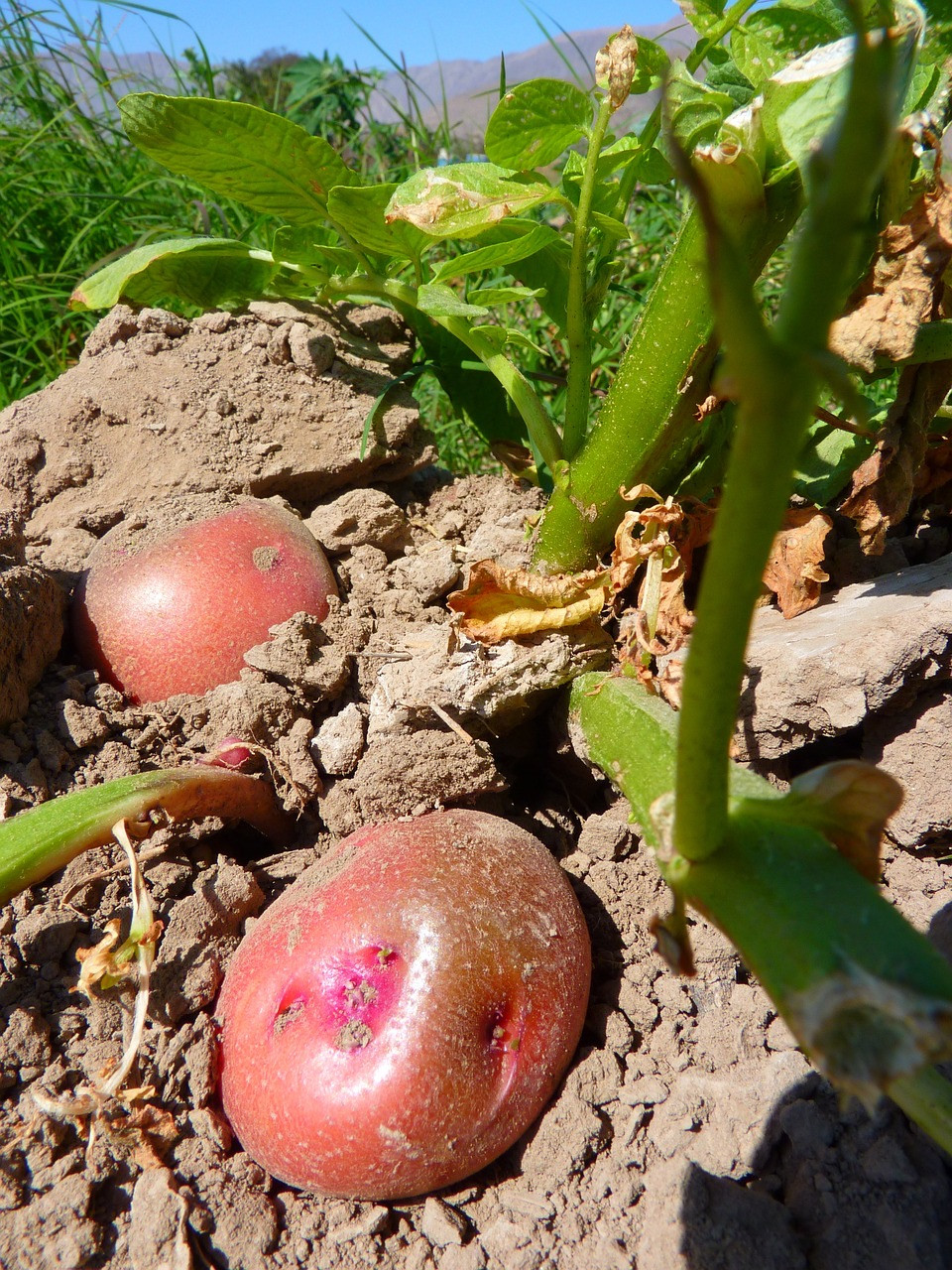
The potato is member of the nightshade family
Examples from the VegPlotter Grow Guides:
- Tomato: From massive beefsteaks to sweet cherry varieties, tomatoes are the crown jewel of the summer greenhouse or sunny patio.
- Aubergine (Eggplant/Brinjal): A heat-loving crop that thrives under glass or in the warmest corners of the garden.
- Bell Peppers (Green, Red, and Yellow) & Chili Peppers: Highly productive plants that range from sweet and crunchy to intensely spicy.
- Potato: A subterranean nightshade variety. Planting seed tubers in early spring helps break up heavy soil and yields a massive harvest.
4. Legumes (The Nitrogen Fixers)
Legumes belong to the Fabaceae family and are a sustainable gardener's best friend. They possess a symbiotic relationship with soil bacteria that allows them to "fix" nitrogen from the air into the earth, naturally fertilizing your soil for the next crop cycle.
Examples from the VegPlotter Grow Guides:
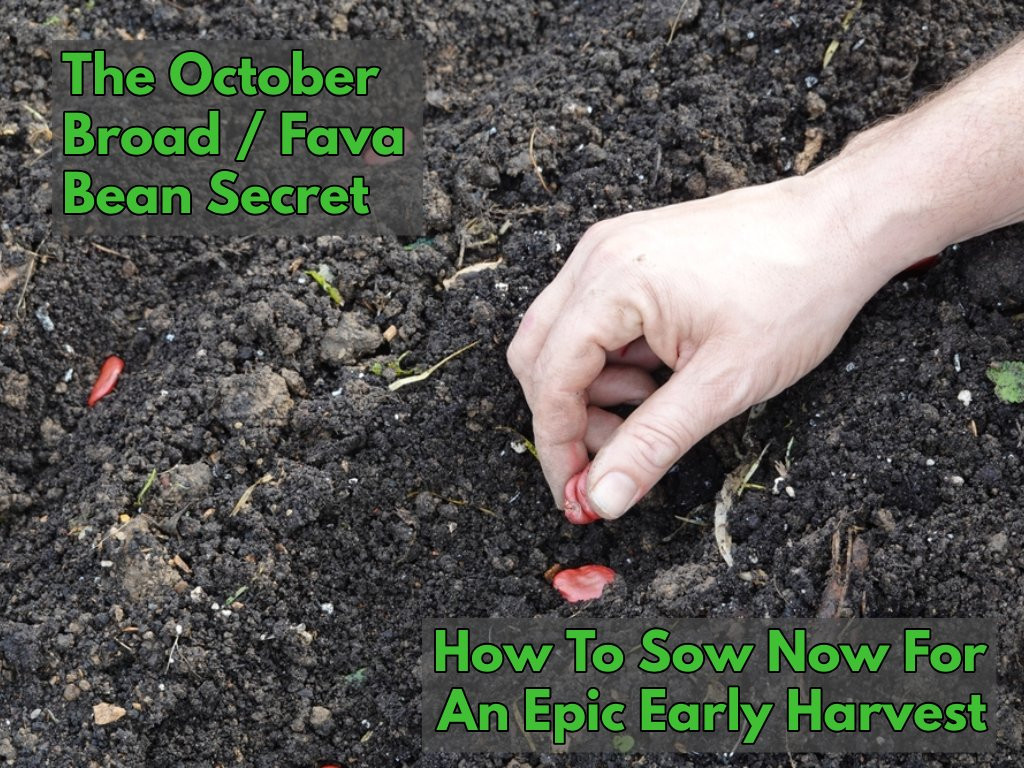
- Broad (Fava/Faba) Bean: A hardy bean that can be sown in autumn or early spring to provide an incredibly early summer harvest.
- Green Beans (Bush, Pole, and French Varieties): Heavy-yielding summer classics that require vertical supports like trellises or bamboo canes.
- Runner Bean: Famous for both its delicious pods and beautiful red flowers that attract pollinators.
- Pea & Snow Peas (Mangetout): Sweet, crisp pods that thrive in the cooler shoulder months of spring.
5. Cucurbits (The Gourd Family)
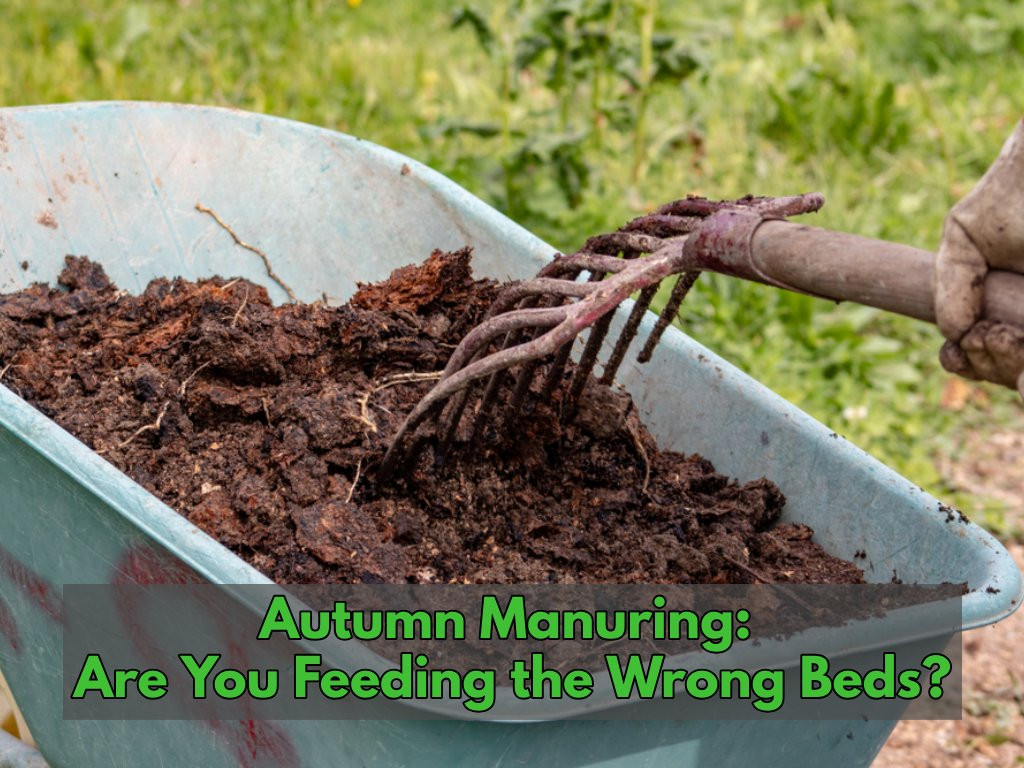
Cucurbits are sprawling, hungry plants known for producing large fruits with protective vines and large yellow flowers. They require plenty of water, a lot of space (or strong vertical trellising), and rich soil amended with plenty of manure.
Examples from the VegPlotter Grow Guides:
- Courgette (Zucchini/Marrow): Infamously prolific plants; just two or three vines can feed an entire family all summer.
- Pumpkin: A late-summer showstopper, perfect for autumn decorations and warming soups.
- Cucumber (and Gherkin): Crispy, water-dense fruits that love greenhouse humidity or a highly sheltered outdoor bed.
- Butternut Squash & Winter Squash: Thick-skinned varieties that can be cured and stored to eat all winter long.
6. Root Vegetables (The Earth Dwellers)
Root vegetables encompass plants from several different botanical families (such as Apiaceae and Brassicaceae), but they share a culinary group because we harvest their underground energy storehouses. They prefer loose, stone-free soil; if the soil is too rocky or heavily packed, the roots will fork and deform.
Examples from the VegPlotter Grow Guides:
- Carrot & Parsnip: Sweet, elongated roots that develop incredibly rich flavors after the first frost converts their starches into sugars.
- Beetroot (Beets): A dual-purpose crop where both the earthy root and the vibrant green leaves are edible.
- Radish: The fastest crop in the garden, often ready to harvest just 3 to 4 weeks after sowing seeds.
- Swede (Rutabaga) & White Turnip: Traditional, hardy European staples that thrive in cooler northern climates.
7. Garden Fruits: From Berries to Tree Fruit
True fruits are the seed-bearing structures formed from the ovary of a flowering plant. While we treat tomatoes and cucumbers as vegetables in the kitchen, true sweet fruits have their own dedicated space in the orchard or fruit cage.
Examples from the VegPlotter Grow Guides:
- Strawberries: Low-growing perennials that multiply via runners and yield sweet summer berries.
- Raspberries (Summer and Autumn Fruiting) & Blackberries: Cane fruits that require sturdy wire supports to keep their heavy, berry-laden branches off the ground.
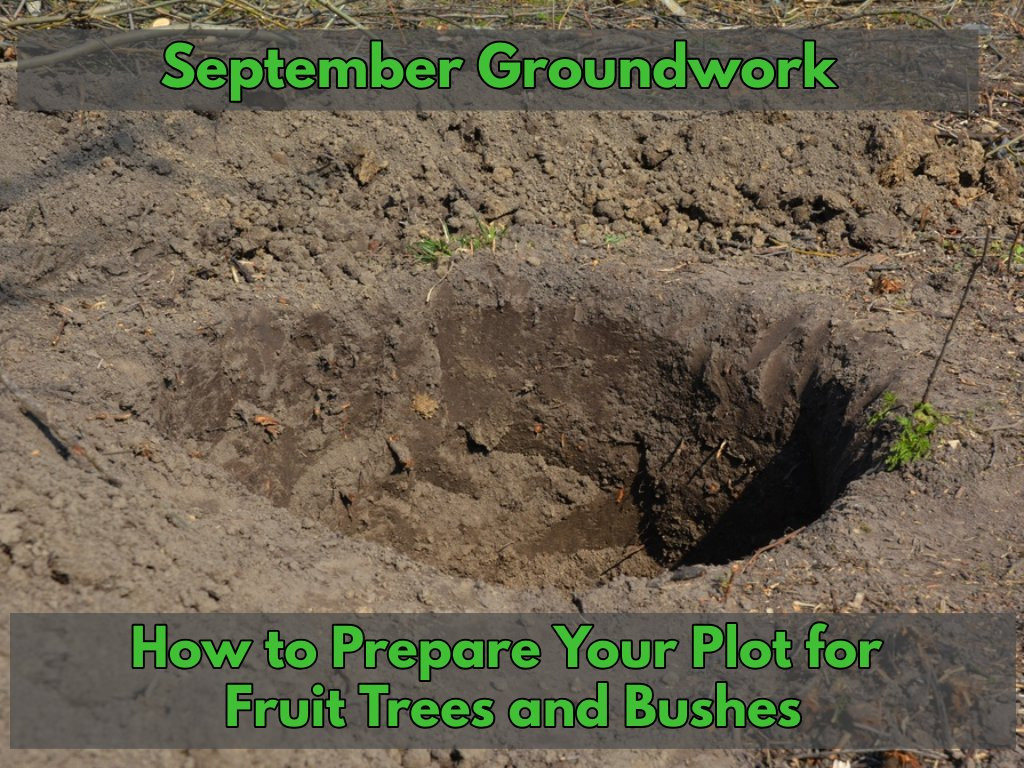
- Apple, Pear, Cherry, and Plum Trees: Top-fruit structures that anchor a garden for decades, requiring careful late-winter pruning to ensure maximum sunlight penetration.
Maximize Your Harvest with Digital Planning
Understanding the differences between brassicas, alliums, and legumes is only half the battle. To prevent pests from settling in and to keep your soil from becoming exhausted, you must practice crop rotation.
Instead of guessing where your crops went last year or struggling to remember your local last frost date, utilise VegPlotter. With our interactive drag-and-drop digital planner, you can map out your beds, consult our extensive live Grow Guides, and automatically generate a personalized sowing and harvesting timeline tailored exactly to your local climate. Happy growing!