The November Plot Audit: What Worked, What Flopped, and What to Change
A November Plot Audit is a 20-minute end-of-season review of your vegetable garden or allotment before winter sets in. By logging crop yields, pest and disease hotspots, and space-to-harvest ratios right now, you create a reliable blueprint for next year—preventing repeat mistakes before seed catalogs start hitting your doormat or mailbox in December.
Why November Is the Most Important Month for Garden Planning
Every gardener knows the winter amnesia trap. By February, when you are staring at blank garden beds with a fresh packet of seeds, it is nearly impossible to remember which tomato variety succumbed to late blight, which corner of the raised bed stayed waterlogged, or which cabbage patch got decimated by caterpillars.
November sits in the sweet spot of the gardening calendar. The frantic harvest rush is over, the foliage has died back enough to see the true layout of your plot, and—most importantly—the memories of this season's wins and frustrations are still fresh. Taking 20 minutes to audit your garden now saves money on wasted seeds and sets you up for a noticeably bigger harvest next year.
The 3-Step November Garden Audit Checklist
Grab a hot drink, walk out to your raised beds or allotment plot, and work through these three core areas before the first deep freeze wipes the slate clean.
1. Review Yields and Seed Varieties (Before Catalog Season)
In just a few weeks, glossy seed catalogs will start landing in mailboxes and on doormats, tempting you with shiny new hybrids. Before you buy a single packet, evaluate what actually performed well in your specific soil and microclimate.
- The Star Performers: Which varieties produced heavily, tasted best, and resisted bolting or disease? Write down the exact cultivar names so you can reorder them.
- The Disappointments: Which crops germinated poorly, split, tasted bitter, or fizzled out early? Flag them so you don't accidentally buy them again out of habit.
- Seed Inventory Check: Check your leftover seed packets. Note what you already have in stock (especially long-lived seeds like tomatoes, brassicas, and squash) versus what needs replacing (like parsnips and onions, which lose viability quickly).
2. Map Out Pest and Disease Patterns
Pests and soil-borne diseases rarely strike at random—they follow patterns based on crop families, airflow, and overwintering sites. Walking your plot in November lets you play detective while the evidence is still visible.
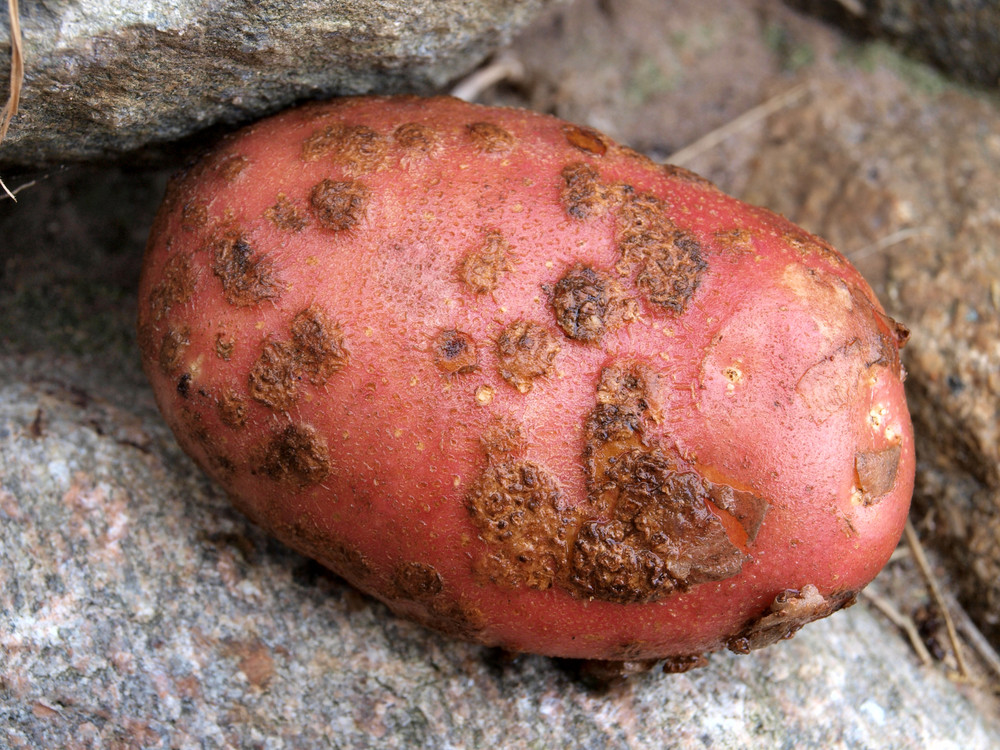
Damaged potato by disease common scab or powdery scab
- Brassica Damage: If your kale, broccoli, or cabbages were skeletonized by cabbage white caterpillars or plagued by flea beetles, note which beds they occupied. You will want to plan for fine-mesh netting in that zone next spring.
- Soil-Borne Diseases: Did you spot signs of allium white rot on your onions and garlic, clubroot on brassicas, or blight on your potatoes and tomatoes? Mark those exact beds immediately. Moving susceptible crops to fresh ground—and avoiding composting infected plant material—is critical to breaking the disease cycle.
- Slug & Pest Hideouts: Look at where slugs, snails, or vine weevils congregated. Overgrown borders, rotting wooden edging, or damp mulches next to vulnerable salad beds can be cleared or adjusted over winter.
3. Audit Your Space-to-Harvest Ratio (Cut the Low-Value Crops)
Unless you are working with unlimited acreage, every square foot (or square meter) of garden space has to earn its keep. November is the time to be ruthless about crops that hogbed space for months without delivering a worthwhile harvest.
| Low-Value Space Hogs (Consider Scaling Down) | High-Value Alternatives (Scale Up) | Why Make the Switch? |
|---|---|---|
| Maincrop Potatoes (in small plots) | Climbing / Pole Beans | Potatoes stay in the ground for 4–5 months and are cheap to buy; vertical beans yield pounds of produce from a tiny footprint. |
| Single-Head Cabbages & Cauliflower | Cut-and-Come-Again Salads & Kale | One cauliflower takes up prime real estate for a single meal; loose-leaf lettuces and cavolo nero harvest continuously for months. |
| Sprawling Winter Squash (on the ground) | Zucchini (Courgettes) & Bush Squash | Two or three well-fed zucchini plants will out-produce a sprawling pumpkin vine taking over half the garden. |
How to Turn Today’s Notes into Next Year’s Harvest
Scribbling observations on the back of an envelope works for a week—until that envelope disappears into a kitchen drawer by January. To make your November audit genuinely useful, your notes need to live right alongside your garden layout.
This is where digital planning tools like VegPlotter bridge the gap between this season and the next:
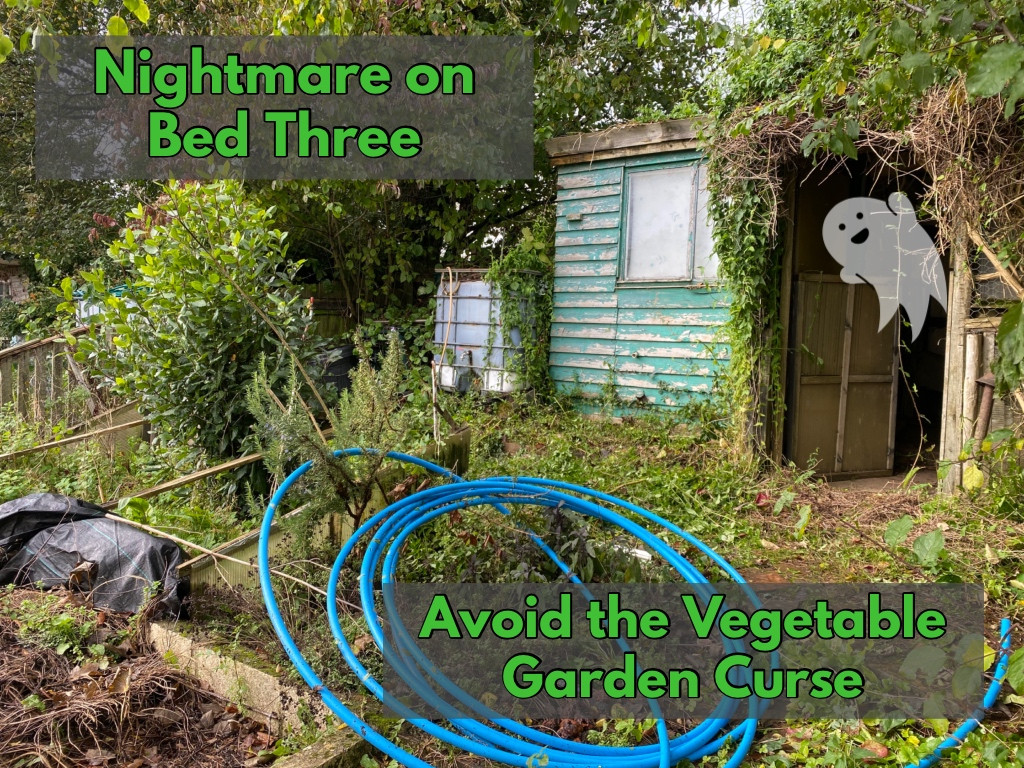
- Bed-Specific Season Notes: Instead of keeping a disconnected diary, you can attach notes directly to individual beds or specific plantings on your plot map. When you click on "Bed 3" next spring, you will immediately see your November warning: "Severe caterpillar pressure here—install insect mesh early" or "Avoid alliums until 2029."
- Harvest & Variety Tracking: Log which cultivars thrived and how much they yielded right next to where they grew. Over a few seasons, this builds a searchable historical archive of your plot's performance.
- Effortless Crop Rotation: Because VegPlotter remembers what was planted in every bed this year, it automatically flags rotation conflicts when you start dragging and dropping next year's crops into place—ensuring blight-prone tomatoes or disease-sensitive brassicas always land on fresh ground.
Frequently Asked Questions (FAQ)
What should I do in my vegetable garden in November?
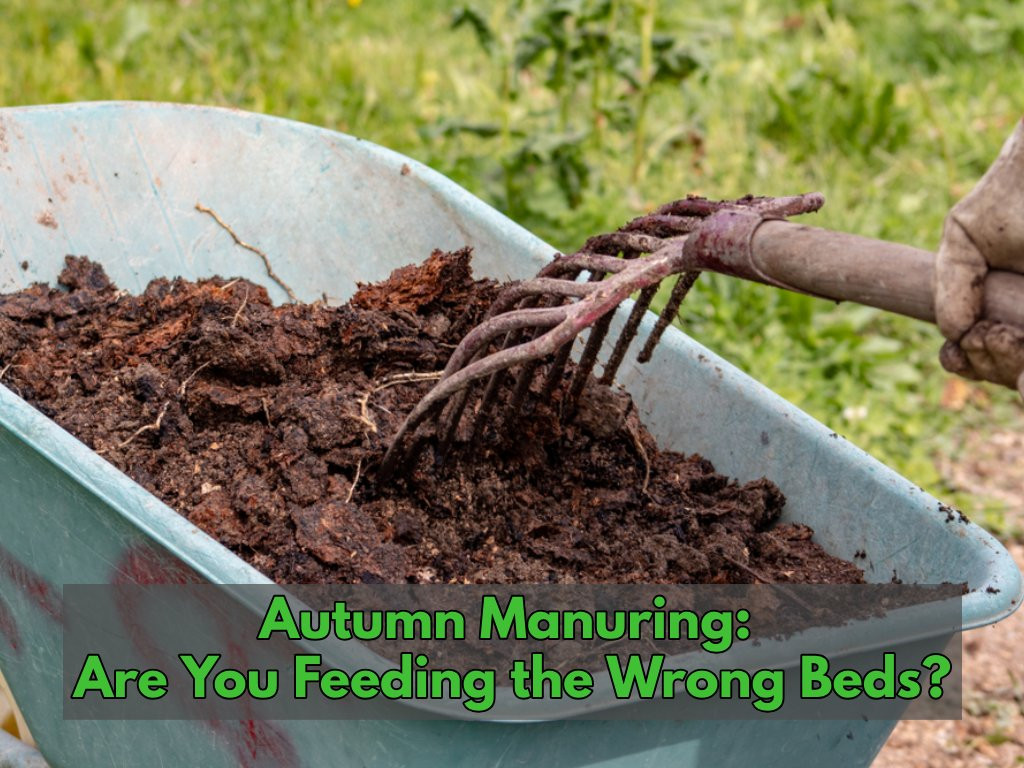
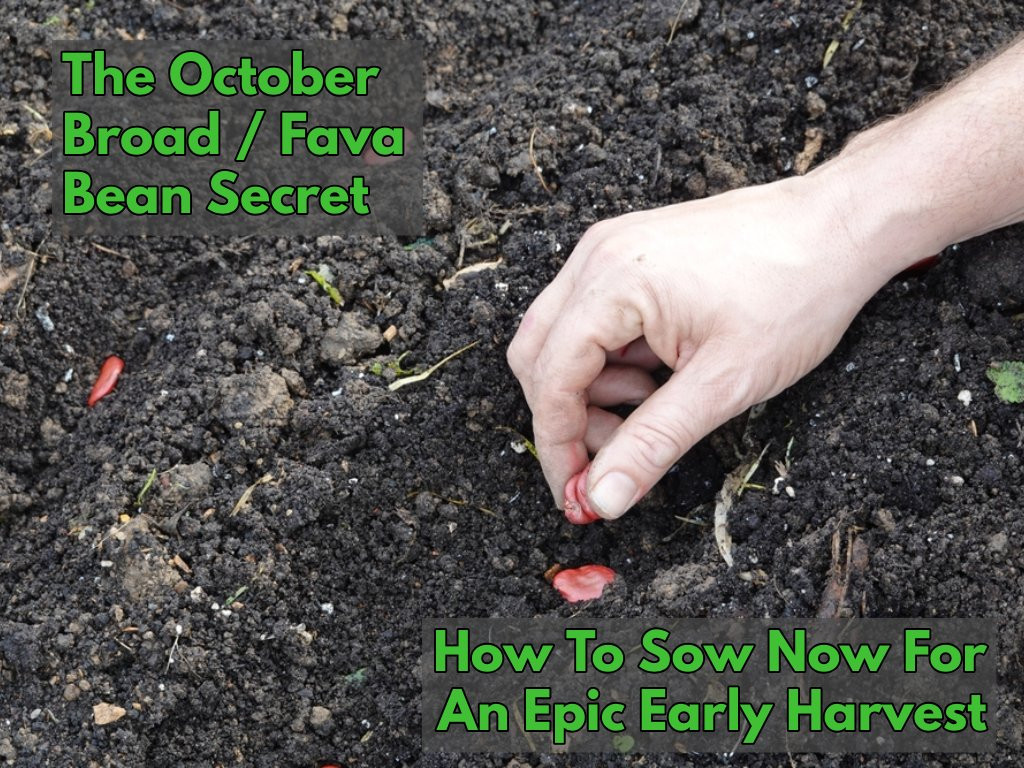
November is ideal for clearing spent summer crops, mulching empty beds with compost or well-rotted manure, planting overwintering garlic and broad beans (fava beans), and conducting an end-of-season plot audit to record yields, pest issues, and variety performance before winter.
How do I keep track of crop rotation from year to year?
The easiest way is to maintain a visual map of your garden beds alongside seasonal planting logs. Using a dedicated garden planner like VegPlotter automates this by storing previous years' layouts and alerting you if you try to plant the same crop family (such as nightshades, brassicas, or alliums) in the same bed too soon.
Which vegetables give the highest yield in a small garden?
Vertical and continuous-harvest crops deliver the best return on space. Top performers include climbing/pole beans, indeterminate (cordon) tomatoes, zucchini (courgettes), cut-and-come-again salad leaves, spinach, and Swiss chard.