Mastering Crop Rotation: How to Plan Next Year’s Plot Without the Headache
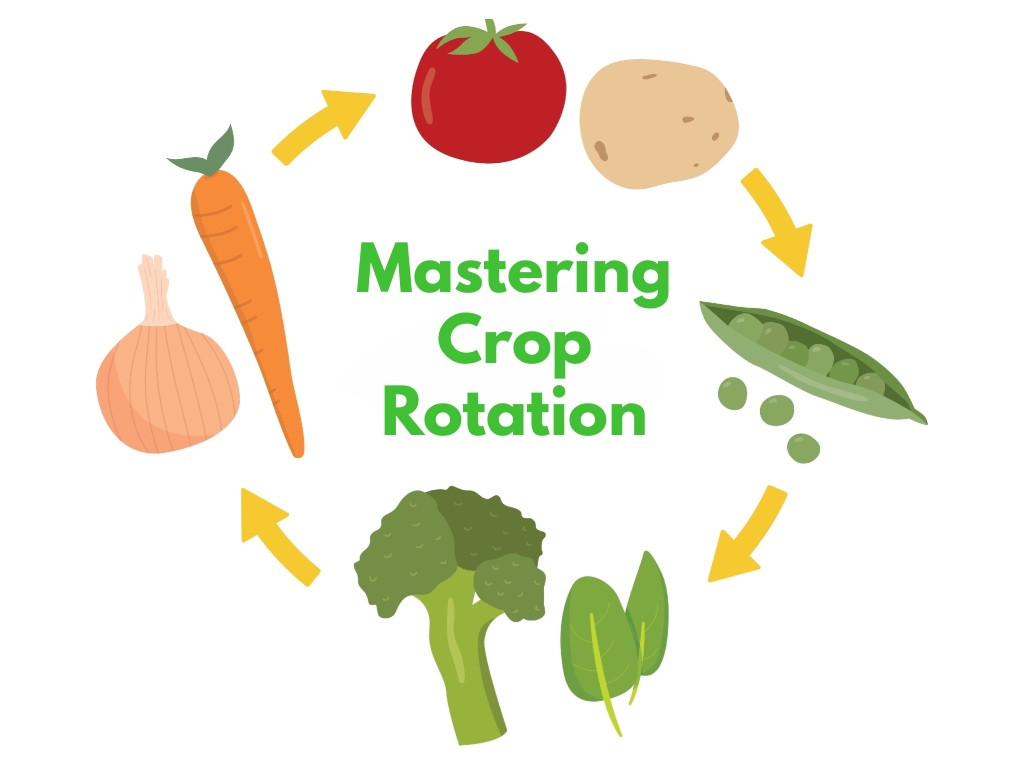
Crop rotation is the systematic practice of growing different botanical plant families in the same soil across sequential seasons to prevent soil-borne diseases, disrupt pest lifecycles, and balance soil nutrients naturally. While traditional gardeners rely on paper notebooks to track 3- or 4-year cycles, paper maps quickly become smudged, outdated, or lost—leading to accidental replanting in the same spot, nutrient depletion, and devastating crop failures like clubroot or potato blight.
Modern digital garden planners solve this problem by automating the memory work, ensuring healthy soil and maximum yields year after year without the administrative headache.
Why Paper Crop Rotation Plans Fail (And What It Costs Your Soil)
Most vegetable gardeners start the season with good intentions, sketching out beds on graph paper or in a gardening journal. By mid-summer, however, succession planting, unexpected frosts, and last-minute seedlings at the garden center render that initial map obsolete.
When you lose track of what grew where over the past three to four years, three major issues occur:
- Soil-Borne Disease Build-Up: Pathogens like clubroot (affecting brassicas), white rot (affecting onions and garlic), and verticillium wilt (affecting tomatoes and potatoes) linger in the soil for years. Replanting susceptible crops in the same bed allows these pathogens to multiply rapidly.
- Pest Overwintering: Pests such as carrot fly, pea moth, and Colorado potato beetle lay eggs or pupate in the soil where their host plants grew. Planting the same family in the same spot provides an immediate buffet when they emerge in spring.
- Nutrient Imbalances: Different plant families extract and deposit vastly different nutrients. Planting heavy nitrogen feeders in the same bed two years in a row strips the soil, resulting in stunted growth and poor harvests.
The Classic 4-Course Crop Rotation Explained
To keep your soil fertile and disease-free, group your vegetables by botanical family and rotate them through four distinct phases over a four-year cycle:
Brassicas -> Legumes -> Alliums & Roots -> Solanaceae & Heavy Feeders
| Year / Bed | Plant Group | Key Crops | Soil Impact & Role in Rotation |
|---|---|---|---|
| Year 1 | Brassicas (Cabbage Family) | Broccoli, cabbage, kale, cauliflower, Brussels sprouts, radishes, turnips | Heavy Nitrogen Feeders. Thrive in the nitrogen-rich soil left behind by the previous year's legumes (or freshly added compost). Require firm, alkaline-leaning soil. |
| Year 2 | Legumes (Peas & Beans) | Broad beans, runner beans, French beans, sugar snap peas, garden peas | Nitrogen Fixers. Symbiotic bacteria on their roots capture atmospheric nitrogen and store it in the soil, naturally fertilizing the bed for the next crop. |
| Year 3 | Alliums & Roots | Onions, garlic, leeks, shallots, carrots, parsnips, beetroot | Light Feeders. Prefer soil that has not been freshly manured (which causes carrots and parsnips to fork). Help break up deeper soil layers. |
| Year 4 | Solanaceae & Heavy Feeders | Potatoes, tomatoes, peppers, aubergines, squash, courgettes, sweetcorn | Nutrient-Hungry & Soil Cleaners. Demand rich organic matter. Dense potato foliage shades out weeds, leaving clean ground for Year 1. |
How the Sequence Works Together
- Legumes fix nitrogen into the soil during Year 2, which directly feeds the nitrogen-hungry Brassicas when the cycle loops back around (or feeds leafy greens).
- Root crops follow Legumes because they thrive in fertile soil without needing fresh manure, which would otherwise cause roots to split.
- Potatoes and Squash finish the cycle by utilizing rich compost while their sprawling leaves suppress weeds, preparing a clean slate for the next rotation.
Does Crop Rotation Matter in Raised Beds and Small Gardens?
Yes. A common myth is that crop rotation only applies to large allotments or commercial farms. In reality, small kitchen gardens and raised beds are more vulnerable to soil-borne diseases because planting density is much higher and crops are closer together.
Even if you only have two or three raised beds—or practice Square Foot Gardening—rotating plant families prevents localized pathogen spikes. If you cannot execute a strict 4-bed rotation due to space limits:
- Rotate by bed section: Divide a single large raised bed into four quadrants and shift crops clockwise each year.
- Follow the 3-year rule for high-risk crops: At a bare minimum, never plant potatoes, tomatoes, onions, or brassicas in the exact same square foot more than once every three years.
- Refresh top-dressings: Add 2–3 inches of fresh compost each autumn to buffer nutrient depletion in compact spaces.
What Goes Outside the Rotation Plan? Cover Crops and Perennials
Not every plant in your kitchen garden belongs in the 4-course carousel. Two major categories sit outside the standard rotation:
1. Perennial Beds
Perennial vegetables and fruits live in the same spot for 5 to 20+ years. Keep them in dedicated, permanent beds so you never accidentally dig up their root systems during annual soil prep.
- Examples: Asparagus, rhubarb, globe artichokes, strawberries, raspberries, and perennial herbs (rosemary, thyme, sage).
2. Cover Crops (Green Manures)
Cover crops are planted specifically to protect and enrich bare soil over winter or during empty gaps between harvests, rather than for human consumption.
- How to integrate them: Sow winter rye, field beans, or crimson clover in empty beds after harvesting summer crops like potatoes or squash. Chop and drop them into the soil in early spring 3–4 weeks before planting your next rotation group to boost organic matter and prevent nutrient leaching from winter rain.
Automating Your Rotation: How VegPlotter Does the Memory Work
Tracking a 4-year history across multiple beds—while accounting for mid-season succession crops—is exactly what software does best. Instead of flipping through old notebooks, VegPlotter tracks every single planting across every year automatically.
Automated Crop Rotation Warnings in Action
When you plan next year's garden in VegPlotter, you simply advance your plot calendar to the next year. As you drag and drop new plants onto your beds, the software cross-references your historical planting data in real time.
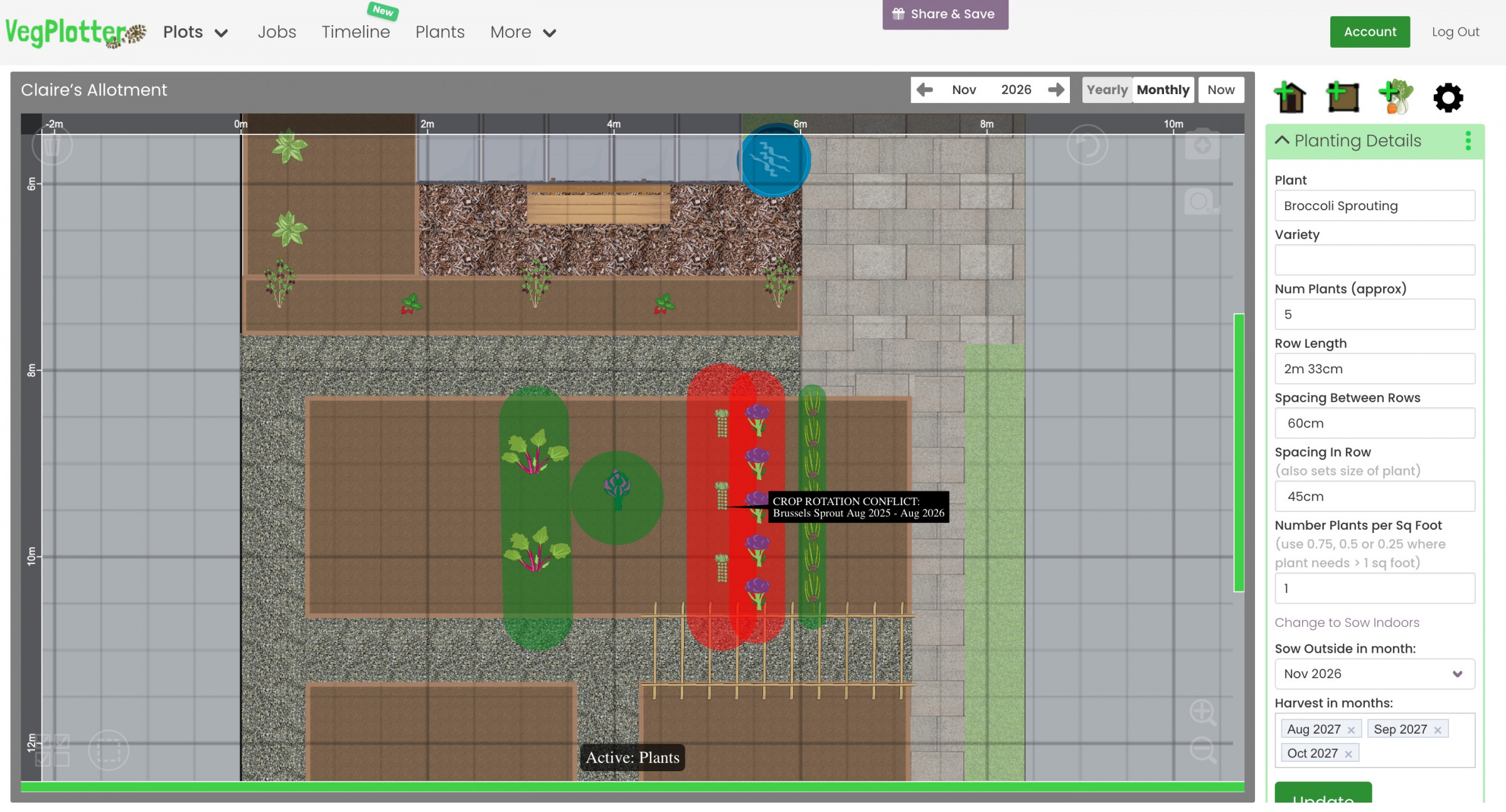
- Instant Conflict Alerts: If you attempt to place tomatoes in a bed where potatoes grew last year, VegPlotter immediately flags the plant family conflict before you ever put a seed in the ground.
- Multi-Year Memory: Whether a pathogen lingers for two years or four, the planner remembers your exact layout from previous seasons—even if you split a bed between two different crops mid-summer.
- Effortless Succession Planning: Because VegPlotter uses a month-by-month timeline rather than a static map, you can plan spring radishes, summer beans, and autumn cover crops in the same bed while keeping your rotation rules intact.
Frequently Asked Questions About Crop Rotation
What is the simplest crop rotation for beginners? The easiest starting point is a 3-year rotation: Year 1: Roots & Potatoes -> Year 2: Legumes (Peas/Beans) -> Year 3: Brassicas & Leafy Greens. Once comfortable, split Potatoes and Roots into separate years for a full 4-course system.
Can I plant tomatoes after potatoes in the same bed? No. Both tomatoes and potatoes belong to the Solanaceae (nightshade) family. Planting tomatoes where potatoes grew the previous year exposes them to the exact same fungal spores (like early and late blight) and soil pests.
How long should I wait before planting the same crop in the same spot? For most vegetable families, a 3- to 4-year gap is ideal. If your soil has previously suffered from severe diseases like onion white rot or brassica clubroot, wait at least 5 to 8 years before replanting that specific family in the affected bed.
Ready to Plan Next Year’s Plot Without the Paperwork?
Stop guessing where your potatoes grew two summers ago. Map out your beds, visualize your month-by-month harvests, and let automated rotation alerts protect your soil health.