5 Essential Steps for Planning a Productive Vegetable Garden
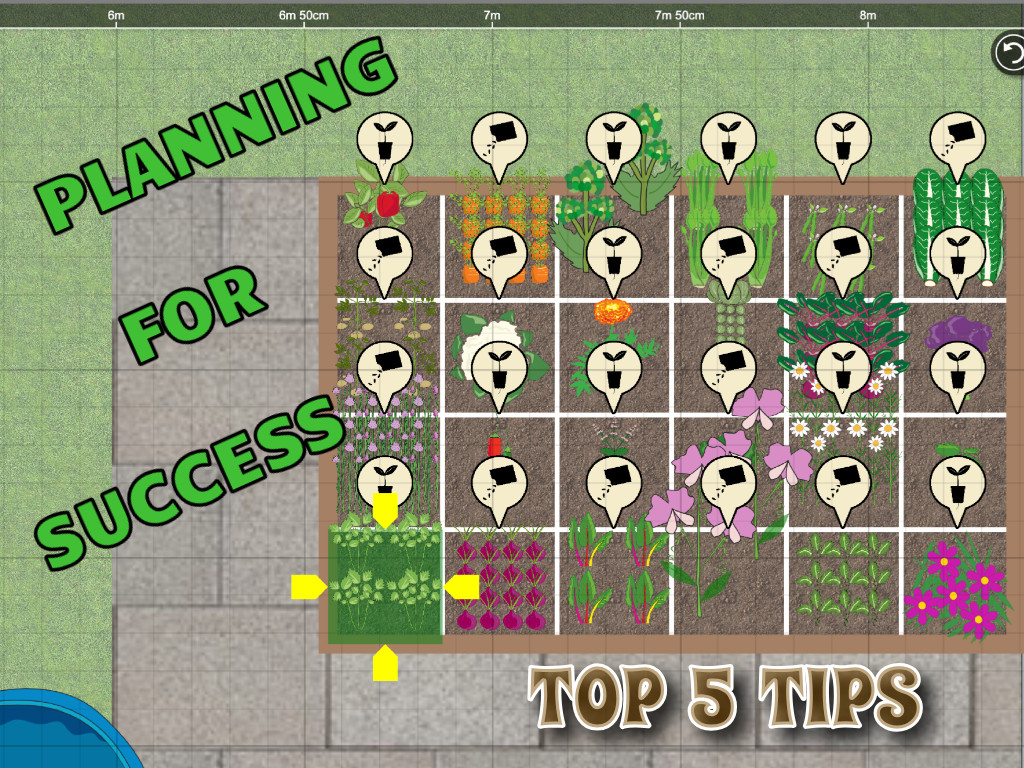
A successful vegetable harvest begins long before the first seed is planted. Whether you are managing a small raised bed or a full allotment, effective garden planning prevents common mistakes and maximizes your yield.
5 Essential Steps for Planning a Productive Vegetable Garden
Follow these five essentials to ensure your garden thrives this season.
1. Optimize Sunlight Exposure
Sunlight is the primary energy source for your crops. Understanding your garden's light patterns is critical for plant health.
- Full Sun (6–8+ hours): Required for "fruiting" crops like tomatoes, peppers, and squash.
- Partial Shade (4–6 hours): Ideal for leafy greens such as spinach, kale, and Swiss chard.
- Pro Tip: Observe your yard throughout the day. A location that is sunny in early spring may be shaded by tree canopies by midsummer.
2. Improve Soil Health with Organic Matter
Your vegetables are only as healthy as the soil they grow in. Most garden soil falls into two categories:
- Clay Soil: Holds water well but can become compacted and waterlogged.
- Sandy Soil: Drains quickly but loses nutrients rapidly.
The Solution: Incorporate well-rotted compost or manure. This adds essential Nitrogen (N), Phosphorus (P), and Potassium (K) while improving soil structure and aeration.
3. Start Small with High-Value Crops
"Seed catalog fever" can lead to over-planting. For beginners, a "less is more" approach ensures the garden remains manageable.
- Recommended Starting Size: Two 4x8 foot raised beds.
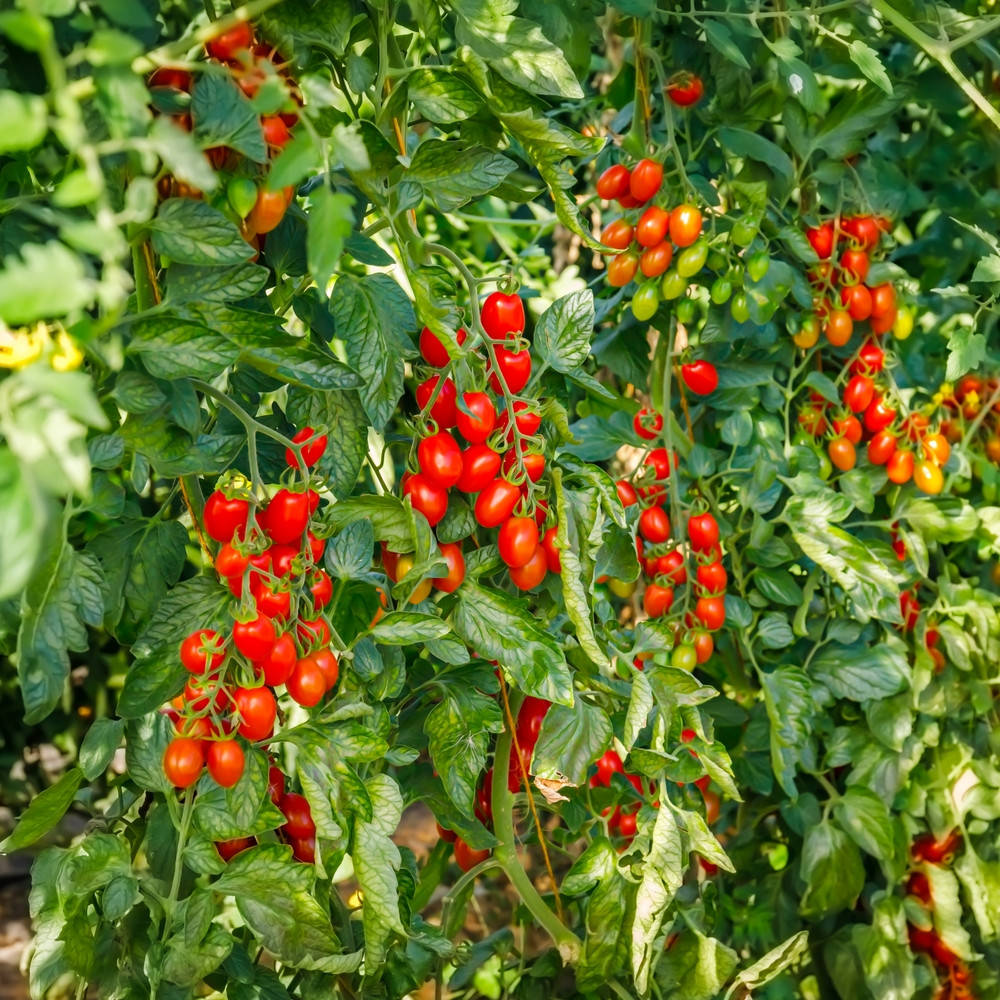
- Top Beginner Crops: Choose varieties with a high "flavor ROI," such as sugar snap peas and vine-ripened tomatoes, which taste significantly better than store-bought versions.
4. Create a Monthly Sowing Calendar
Gardening is a chronological process, not a single event. Timing your planting is the difference between success and failure.
- Avoid Frost Damage: Planting too early can kill tender seedlings.
- Maximize Growing Season: Planting too late may prevent crops from maturing.
- Use Tools: Digital planners like VegPlotter use your specific location to generate a custom "when to sow" and "when to transplant" schedule, removing the guesswork from local climate variables.
5. Prioritize Accessibility and Irrigation
Logistics play a major role in garden maintenance. If a garden is difficult to water or navigate, it is often neglected.
- Water Proximity: Place thirsty crops closest to your water source to avoid the chore of hauling heavy hoses.
- Path Clearance: Design beds to be accessible from all sides. Avoid stepping on the soil, as compaction damages delicate root zones.
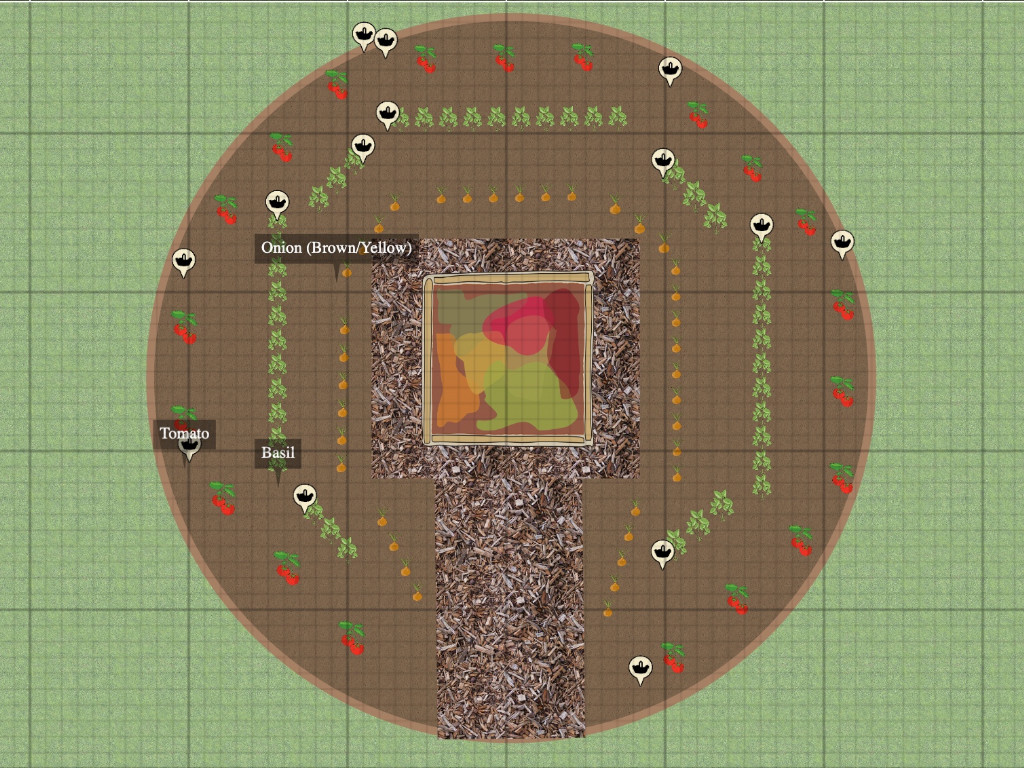
- Design Tip: Consider a keyhole garden layout—a permaculture technique that maximizes planting space while keeping everything within arm's reach.
Summary Table: Garden Planning Checklist
| Essential Factor | Key Requirement | Best Practice |
|---|---|---|
| Sunlight | 6–8 hours for fruit | Match plant type to light levels |
| Soil | Nutrient-rich & loamy | Add organic compost annually |
| Scale | Manageable footprint | Start with two 4x8 beds |
| Timing | Frost-aware schedule | Use a digital sowing calendar |
| Water | Easy access | Group thirsty plants near the tap |
Ready to Design Your Plot?
Setting up your garden layout now ensures a stress-free and productive growing season.
Start mapping out your garden beds and custom planting schedules with VegPlotter today!