Planting Garlic: The 8-Month Tenant Your Spring Garden Needs to Plan For
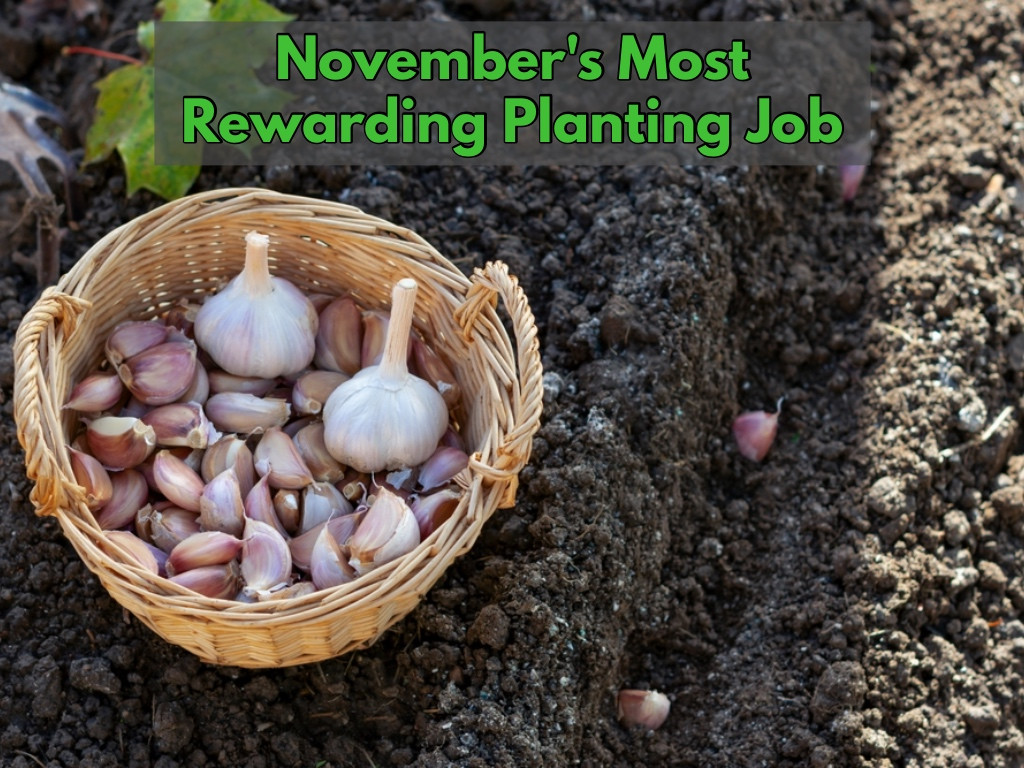
November is prime time to plant autumn-garlic varieties. While most of the kitchen garden goes to sleep as temperatures plummet, garlic is quietly beginning an eight-month lease on your raised beds.
Because garlic occupies valuable growing space from November right through to July, it dictates your entire spring and summer plot layout. To pull up fat, juicy bulbs next summer instead of rotten cloves, here is everything you need to know about the science, soil, and spatial planning behind planting garlic.
Why November? The Science of Vernalization (The Chill Factor)
Planting garlic before winter isn't an arbitrary gardening tradition; it is a biological requirement known as vernalization.
Garlic requires a sustained cold period—typically 4 to 8 weeks at temperatures consistently below 10°C (50°F)—to trigger its natural splitting mechanism.
- With vernalization: The single dormant clove breaks dormancy, roots deeply over winter, and divides into 8 to 12 individual plump cloves come spring.
- Without vernalization: Planted in spring without cold exposure, garlic often produces a single, round bulb (a "round") similar to a small leek or onion, rather than distinct cloves.
Getting your autumn varieties into the ground in November guarantees your cloves receive the requisite winter chill naturally, without needing artificial refrigeration.
The Critical Soil Warnings: Drainage and Manure
Garlic is remarkably hardy against frost and sub-zero air temperatures, but it has two fatal vulnerabilities in the soil: stagnant moisture and excessive nitrogen.
1. Cold, Waterlogged Soil Causes Rot
Garlic cloves do not tolerate sitting in soggy, freezing mud. If water pools around the base of the clove through December and January, fungal pathogens take hold, causing root and basal rot before top growth ever emerges.
- The Fix: If you garden on heavy clay or live in an area with high winter rainfall, plant garlic into raised beds, build elevated ridges (15–20 cm high), or incorporate plenty of coarse grit and compost to open up soil structure.
2. Avoid Freshly Manured Ground
Garlic belongs to the Allium family and performs best in fertile, well-draining soil with a neutral pH (6.5–7.0). However, never plant garlic in ground that has been freshly manured.
- Fresh manure is overly rich in nitrogen, which encourages weak, floppy foliage susceptible to rust while suppressing bulb development.
- Fresh organic matter holds excess moisture and harbours bacteria and fungus, dramatically increasing the risk of the cloves rotting over winter.
- The Fix: Plant in beds that were manured for a previous crop earlier in the season (such as brassicas or sweetcorn), or amend simply with well-rotted leaf mould and a sprinkle of organic bone meal or seaweed meal.
Step-by-Step: How to Plant Autumn Garlic
Planting garlic requires gentle handling to protect the basal root plate.
-
Break the Bulb Just Before Planting: Keep your seed heads intact until the day of planting. Separate the bulb into individual cloves right before they go into the ground so the protective papery skins stay intact and the clove flesh doesn't dry out. Select the largest outer cloves for planting; reserve the tiny interior cloves for the kitchen.
-
Orientation Matters: Always plant cloves with the pointy end facing up and the flat basal root plate facing down. Cloves planted upside down will expend excessive energy attempting to curl their shoot upward, resulting in misshapen, stunted bulbs.
-
Planting Depth:
- Push cloves into the soil so the tip sits 2.5 to 5 cm (1 to 2 inches) below the soil surface.
- The Bird Factor: If blackbirds, pigeons, or crows frequent your plot, plant slightly deeper (around 5 to 7 cm / 2–3 inches) or cover the bed with netting. Birds love pulling up emerging green tips thinking they are worms, unseating the clove before root anchors establish.
-
Spacing: Space cloves 15 cm (6 inches) apart, with 20 to 30 cm (8 to 12 inches) between rows. This leaves ample room for hoeing winter weeds and gives the mature bulb space to swell.
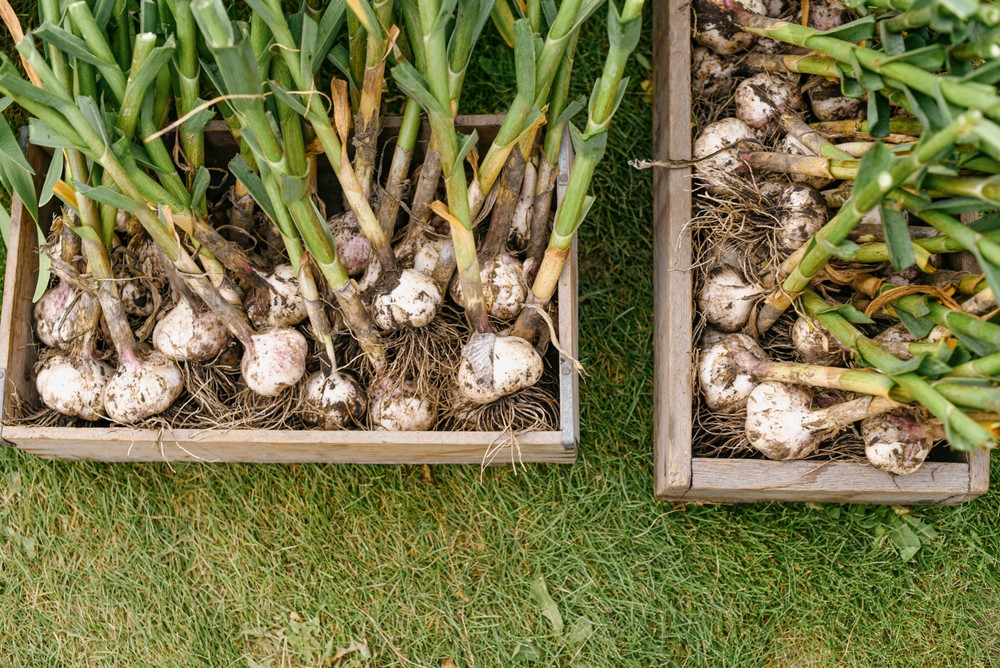
Freshly harvested garlic in late June
The VegPlotter Tie-In: Planning for the 8-Month Tenant
Because garlic stays in the soil from November until July, it represents the ultimate long-term garden guest. Planting garlic on an autumn whim without plotting your bed layout first is the number one cause of garden traffic jams come spring.
By May and June, your garden beds face intense demand: early tomatoes, courgettes, runner beans, and winter squashes are all clamoring for space. If your prime sunny bed is tied up with garlic that won't mature for another 8 to 10 weeks, your summer planting schedule can grind to a halt.
Before you plant a single clove, open VegPlotter:
- Check Crop Rotation: Ensure you are not planting garlic where onions, leeks, shallots, or other Alliums have grown in the last three to four years to prevent soil-borne pests like onion fly and white rot.
- Map Out Spring Succession: Check your VegPlotter timeline month-by-month to confirm that your November garlic patch won't block the beds you’ve designated for early summer brassicas, sweet peppers, or courgettes next May.
Quick Reference Summary
| Parameter | Recommended Specification |
|---|---|
| Planting Window | Late October to late November |
| Vernalization Need | 4–8 weeks under 10°C (50°F) |
| Planting Depth | 2.5–5 cm (5–7 cm if birds are active) |
| Spacing | 15 cm between cloves; 20–30 cm between rows |
| Soil Requirements | Free-draining, pH 6.5–7.0, no fresh manure |
| Harvest Window | Late June to late July |