The 7 Day Window: What Winter Crops To Sow Now
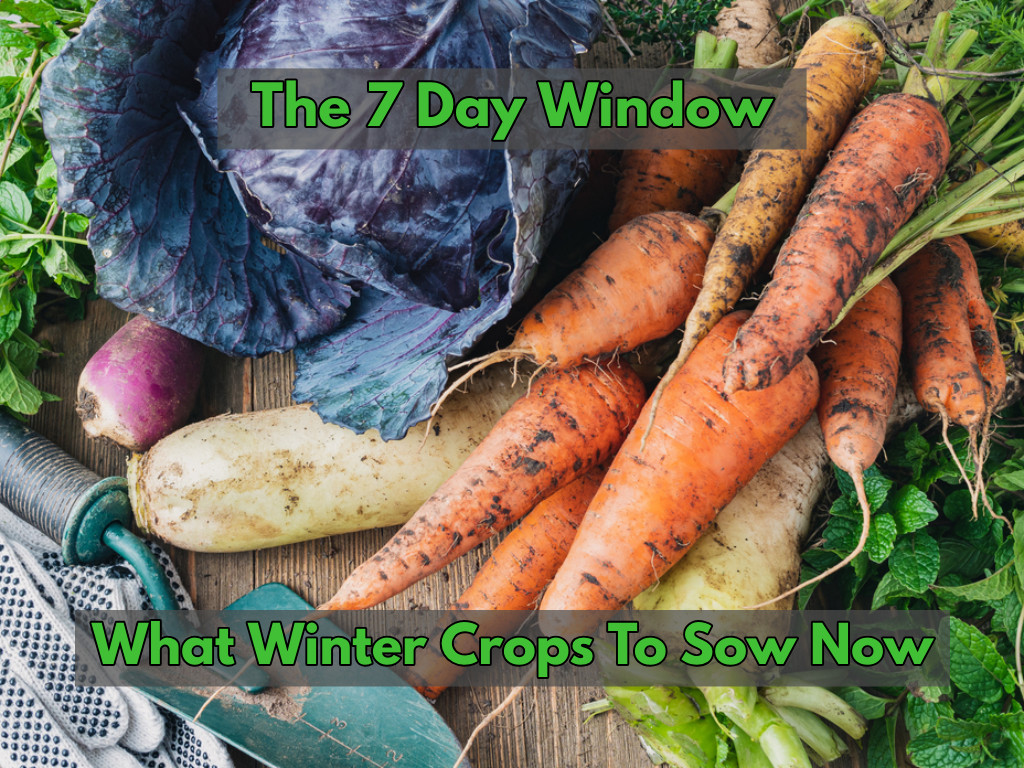
If you want a bountiful, frost-sweetened harvest on your dinner table this winter, the clock is officially ticking. While vegetable patches across the Northern Hemisphere are currently bursting with mid-summer abundance—such as early potatoes, beans, and courgettes—early July hides the most critical deadline of the gardening calendar.
For temperate growers, this week is the absolute final 7-day window to sow your winter storage crops and cold-weather staples. To help your garden transition seamlessly, this guide explains exactly why early July timing is universally non-negotiable for winter preparation, how to beat mid-summer heat stress, and the top five crops you need to get in the ground right now.
The Summer Solstice Pivot: Why August is Too Late
Many growers make the mistake of waiting until late August or September to start thinking about winter abundance. Unfortunately, by then, the biological window has closed for most temperate zones.
Vegetable growth is dictated by two primary factors: temperature and daylight hours. Following the summer solstice in late June, daylight hours in the Northern Hemisphere begin their steady decline. Crops sown during the first week of July take advantage of maximum day length and warm soils to rapidly build a resilient root system and leaf canopy over the next eight weeks.
Once late autumn arrives and daylight drops below 10 hours a day (a threshold known globally as the "Persephone Period"), vegetable growth hits a complete standstill. Vegetables do not mature in dead winter; they simply sit in storage in the ground. Sowing this week ensures your plants reach full structural maturity before that winter shutdown occurs.
5 Winter Staples to Sow or Transplant This Week
To secure a spectacular cold-weather harvest, prioritize these five essential crops right now:
1. Carrots for Winter Storage (Direct Sow)
- The Variety: Look for coreless, heavy-yielding autumn/winter storage varieties (such as Autumn King or Chantenay).
- Why Now: Carrots take roughly 12 to 16 weeks to reach full size. Sowing them now ensures they hit maximum maturity by November. They can be left safely in the ground through winter freezes, where the cold temperatures convert their starches into sugars, making them incredibly sweet.
2. Kale and Winter Cabbages (Transplant or Quick Sow)
- The Variety: Cavolo Nero (Tuscan Kale), Curly Scarlet, or dense Savoy Cabbage.
- Why Now: If you have module-grown starts ready, get them into their final outdoor positions immediately. If sowing from seed, opt for fast-maturing kale varieties. They need the strong July sun to establish the heavy, crinkled leaves capable of withstanding heavy snow and hard winter frosts.
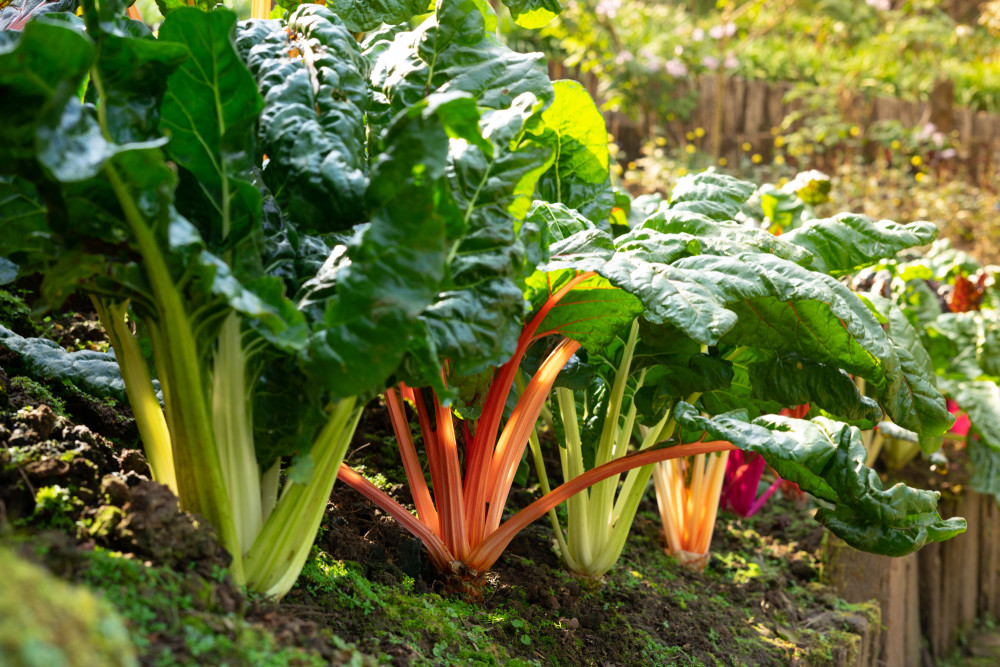
Fresh organic Rainbow Swiss Chard; leafy green vegetable common in Mediterranean cuisine.
3. Overwintering Leafy Greens & Chard (Direct Sow)
- The Variety: Perpetual Spinach and Swiss Chard.
- Why Now: Unlike delicate spring spinach, which bolts instantly in the summer heat, perpetual spinach and chard sown in early July establish deep structural resilience. They will provide continuous "cut-and-come-again" picks from October right through to next spring.
4. Turnips and Swedes/Rutabagas (Direct Sow)
- The Variety: Fast-maturing culinary turnips or traditional winter swedes.
- Why Now: These root crops thrive as the soil cools down in autumn, but they require the initial July warmth to trigger rapid, uniform germination.
5. Spring Cabbages (Direct Sow for Overwintering)
- The Variety: Cold-hardy pointed or spring green varieties.
- Why Now: Sowing these now provides a dual benefit: you can harvest tender young leaves in late autumn, or leave the central hearts to overwinter for an exceptionally early spring harvest next April when the rest of the plot is completely bare.
Top Tips for Successful July Mid-Summer Sowing
Sowing seeds in July is vastly different from sowing in spring. Instead of fighting cold, damp soil, you are battling rapid evaporation and heat stress. Use these three professional strategies to guarantee success:
- Water the Drill, Not the Surface: When direct-sowing seeds into dry summer topsoil, draw your seed drill (groove) and pour water directly into the bottom of the trench before dropping in the seeds. Cover with dry soil. This traps moisture exactly where the roots need it and prevents a hard crust from baking on the surface.
- Provide Structural Shade: Use tall, established summer crops like sweetcorn, climbing beans, or staked tomatoes to shield your newly sown winter beds. Sowing your winter greens on the shadowed side of these taller plants protects fragile seedlings from the scorching afternoon sun.
- Employ the Hessian Trick: If your soil is drying out too quickly, lay a piece of damp hessian (burlap) or a light layer of clean straw directly over your freshly sown seed rows. This drops soil temperatures and prevents evaporation. Check the rows daily and remove the covering the exact moment the first green shoots break through.
Optimize Your Winter Plot Plan
Don't guess your spacings or miss your crop rotation windows this month! Use VegPlotter to lay out your autumn and winter beds digitally, track your succession sowing dates, and ensure your garden remains highly productive 365 days a year, no matter where you are growing.
Happy planting!