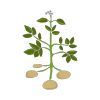
Luffa (Luffa aegyptiaca and Luffa acutangula) is a vigorous climbing vine belonging to the Cucurbitaceae family — the same family as cucumbers, courgettes, and gourds. It is commonly known as sponge gourd, loofah, or vegetable sponge, and is cultivated both as a food crop and for its fibrous, sponge-like interior.
Appearance
Luffa produces long, cylindrical fruits with smooth or ridged green skin depending on the species. The plant itself is a fast-growing vine with large, lobed leaves and striking bright yellow flowers that attract bees and other pollinators.
Uses
- Culinary: When harvested young (under 20 cm), luffa has a mild, slightly sweet flavour with a tender texture. It is widely used in soups, stir-fries, curries, and stews.
- Natural Sponge: When fully mature, the fibrous skeleton inside the fruit dries into a natural sponge used for bathing, exfoliating skin, and eco-friendly household cleaning.
- Sustainability: Luffa is a renewable, biodegradable alternative to synthetic sponges, making it a popular choice for sustainable living.
Nutritional Value
When eaten, luffa is a source of vitamin C, B vitamins, dietary fibre, and minerals including iron and potassium.
How To Grow
Starting Seeds
Luffa needs a long, warm growing season of at least 120–150 frost-free days. Start seeds indoors 4–6 weeks before the last expected frost to give plants a head start.
- Soak seeds in warm water for 12–24 hours before planting to improve germination.
- Sow seeds 2.5 cm deep in small pots filled with a free-draining seed-starting mix.
- Keep pots in a warm location (ideally 25–30°C) with good light. A heat mat will significantly improve germination success.
- Germination typically occurs within 7–14 days at optimal temperatures.
- Transplant seedlings outdoors once all risk of frost has passed and soil temperature is reliably above 18°C.
Soil and Site
- Choose a warm, sheltered, full-sun position protected from strong winds.
- Prepare the soil with generous amounts of well-rotted compost or manure to create a rich, free-draining growing medium.
- A soil pH of 6.0–7.0 is ideal.
Providing Support
Luffa vines can reach 6–9 metres in length and must be grown on a strong trellis, pergola, fence, or arch. Vertical growing also keeps fruits off the ground, encouraging straighter, cleaner development — especially important if harvesting for sponges.
Watering and Feeding
- Water deeply and consistently — luffa has a high water demand, especially during flowering and fruiting.
- Apply a thick layer of mulch around the base to retain soil moisture and suppress weeds.
- Feed with a balanced fertiliser every 3–4 weeks. Once flowers appear, switch to a potassium-rich fertiliser to support fruit set.
Pollination
Luffa produces separate male and female flowers on the same plant. Female flowers have a small swollen base (the developing fruit). Pollinators such as bees are essential for fruit set. If pollinator activity is low, hand-pollinate by transferring pollen from a male flower to the centre of a female flower using a soft brush or cotton swab.
Harvesting
Harvesting for Eating (Immature Fruits)
For culinary use, luffa must be harvested young and tender before the fibres inside harden.
- Begin checking fruits from around 7–10 cm in length.
- Harvest when fruits reach 10–20 cm long — at this stage the skin is still smooth, green, and easy to pierce with a fingernail.
- Do not delay — luffa matures very quickly in warm weather. Check vines every 1–2 days during peak season.
- Use sharp garden scissors or a knife to cut the fruit cleanly from the vine, leaving a short section of stem attached.
- Freshly harvested luffa is best used within 2–3 days. Store in the refrigerator wrapped in a damp cloth or in a perforated bag.
Harvesting for Sponges (Mature Fruits)
For natural sponges, allow fruits to remain on the vine until they are fully mature:
- The skin will turn yellow and papery, and the fruit will become noticeably lighter as the moisture evaporates.
- Harvest before the first cold spell damages the vine.
- Peel or soak off the outer skin, remove the seeds, then rinse and dry the fibrous skeleton thoroughly in the sun.
- Once fully dry, luffa sponges can be stored and used for months.
Encouraging Continued Production
- Regular harvesting of young fruits encourages the plant to produce more flowers and set additional fruits throughout the season.
Common Problems
Common Pests
- Aphids: Colonies of aphids cluster on young shoots and flower buds, causing distorted growth and reduced vigour. Blast off with a jet of water or treat with an insecticidal soap spray.
- Spider Mites: Thrive in hot, dry conditions. Look for fine webbing on the undersides of leaves and stippled, pale foliage. Increase humidity and use miticide sprays if necessary.
- Cucumber Beetles: These can cause direct feeding damage and also transmit bacterial wilt disease. Use row covers early in the season and remove them once flowers appear to allow pollination.
- Vine Borers: Larvae tunnel into stems, causing sudden wilting. Remove and destroy affected sections. Crop rotation helps reduce recurrence.
Common Diseases
- Powdery Mildew: A white, powdery fungal coating on leaves is common in humid or warm conditions. Improve air circulation, avoid wetting foliage, and apply a suitable fungicide if needed.
- Downy Mildew: Yellow patches on upper leaf surfaces with greyish-purple growth beneath. Favoured by cool, wet conditions. Remove affected leaves and avoid overhead watering.
- Root Rot: Caused by waterlogged, poorly draining soil. Ensure beds are well-drained and do not overwater.
- Bacterial Wilt: Spread by cucumber beetles. Affected plants wilt suddenly and collapse. There is no cure — remove and destroy infected plants promptly.
General Tips
- Practice crop rotation — avoid growing luffa or other cucurbits in the same spot in consecutive seasons.
- Encourage natural predators such as ladybirds and lacewings to control pest populations.
- Keep the growing area free from debris where pests can overwinter.