Snow peas (Pisum sativum var. macrocarpon), also known as mangetout, are a cool-season annual valued for their tender, entirely edible pods. Unlike shelling peas, snow peas are harvested before the seeds inside develop fully, yielding flat, crisp, translucent pods with a delicate sweetness and satisfying crunch.
The pods are typically bright green and smooth, with the tiny, underdeveloped peas faintly visible through the pod wall. They are exceptionally versatile in the kitchen — equally at home stir-fried, steamed, added to salads, soups, and noodle dishes, or simply enjoyed raw as a fresh snack or garnish.
Nutritionally, snow peas are an excellent source of vitamin C, vitamin K, and dietary fibre, while being low in calories and fat. Their mild, sweet flavour complements a wide range of ingredients, from light vinaigrettes to rich umami-based sauces.
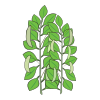
As a garden plant, snow peas are rewarding and relatively undemanding. They are climbing vines that require some form of support — a trellis, netting, or pea sticks — and thrive in cool conditions, making them ideal for spring and autumn growing. They fix atmospheric nitrogen through root nodules, improving soil fertility for subsequent crops, and are a natural companion to many garden vegetables.
How To Grow
Growing Snow Peas
Soil Preparation
Snow peas prefer loose, well-draining soil with a pH of 6.0–7.0. Dig in well-rotted compost or organic matter before sowing to improve structure and fertility. Avoid freshly manured ground, which can encourage leafy growth over pod production. Because peas fix their own nitrogen, soils do not need to be especially nitrogen-rich.
Sowing
Sow seeds directly into the ground at a depth of approximately 5 cm (2 inches), spacing seeds 5–10 cm (2–4 inches) apart in the row. Rows should be spaced around 20–30 cm (8–12 inches) apart. Snow peas can also be started indoors in root trainers and transplanted carefully, minimising root disturbance. Sow in cool conditions — soil temperatures of 7–18°C are ideal for germination.
Support Structures
Install a trellis, pea netting, or a framework of twiggy sticks (pea sticks) at sowing time. Snow peas climb by tendrils and will readily attach themselves to support, growing to heights of 60–180 cm depending on the variety.
Watering
Water regularly to keep soil consistently moist, particularly once plants begin flowering and setting pods. Avoid waterlogging. Mulching around the base of plants helps retain moisture and suppress weeds.
Feeding
Peas are light feeders and generally do not need supplementary nitrogen fertiliser, as they fix their own from the atmosphere. A balanced low-nitrogen feed can be applied if growth is poor. Avoid high-nitrogen feeds, which promote foliage at the expense of pods.
Temperature and Timing
Snow peas are a cool-season crop. Sow in early spring as soon as the soil is workable, or in late summer for an autumn crop. Plants tolerate light frosts but will stop producing and decline in sustained heat above 24°C.
Thinning and Training
Thin seedlings to 10–15 cm apart once established. Guide early growth towards the support structure to encourage even climbing.
Harvesting
Harvesting Snow Peas
When to Harvest
Snow peas are ready to harvest approximately 60–70 days after sowing, or around 3 months from seed. The pods should be flat, bright green, and crisp, with the peas inside only just beginning to form and still very small. Once the peas start to swell visibly, the pods toughen and lose their characteristic sweetness and texture.
How to Pick
Check plants every 1–2 days once pods begin forming, as they develop quickly. Hold the vine steady with one hand and snap or pinch the pod cleanly away with the other. Alternatively, use a pair of small scissors or snips to cut the stem just above the pod. Avoid tugging, which can damage the vine or dislodge it from its support.
Encouraging Continued Production
Regular harvesting is essential — it signals the plant to continue producing new flowers and pods. Leaving pods to mature and dry on the plant triggers the natural end of the plant's productive cycle. Harvest every day or two during peak production.
Best Time of Day
Harvest in the morning while temperatures are cool and pods are at their crispest and most flavourful.
Storage
Snow peas are best eaten fresh on the day of harvest. Store unwashed pods in a perforated bag or airtight container in the refrigerator for up to 5–7 days. For longer storage, blanch briefly in boiling water, cool rapidly in ice water, dry thoroughly, and freeze in a single layer before transferring to freezer bags.
Common Problems
Common Problems with Snow Peas
Pests
Aphids are among the most frequent pests, clustering on new growth and undersides of leaves. They weaken plants and can spread viral diseases. Blast them off with water or apply an insecticidal soap solution. Encouraging ladybirds and lacewings helps keep populations in check.
Pea Moth larvae tunnel into developing pods, making them inedible. Covering plants with fine mesh netting during flowering is an effective preventive measure.
Pea Weevil adults notch the leaf margins while larvae feed on roots and root nodules. Good crop rotation reduces populations.
Slugs and Snails attack seedlings and young shoots. Use copper barriers, grit, or biological nematode controls.
Diseases
Powdery Mildew appears as a white, dusty coating on leaves, especially in warm, dry spells with cool nights. Improve air circulation by not overcrowding plants, avoid overhead watering, and remove affected material promptly. Resistant varieties reduce risk.
Fusarium Wilt and Root Rot cause yellowing, wilting, and plant collapse. These are soil-borne fungi encouraged by waterlogged conditions. Ensure well-draining soil and practise a minimum 3–4 year crop rotation.
Pea Leaf Roll Virus and Pea Mosaic Virus are transmitted by aphids. Symptoms include mottled, distorted foliage and poor pod set. Remove and destroy infected plants immediately and control aphid populations.
General Tips
- Rotate crops each year to prevent build-up of soil-borne pathogens.
- Avoid working among plants when foliage is wet to limit disease spread.
- Always water at the base of plants rather than overhead.