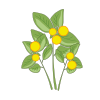
This is a generic yellow annual flower placeholder for use on your garden planner. Use it to mark positions where you intend to grow yellow-flowered annual plants that are not yet listed individually in the planner — such as marigolds, calendula, sunflowers, rudbeckia, nasturtiums, or similar cheerful bloomers.
Annual flowers are plants that complete their entire life cycle — from seed to flower to seed — within a single growing season. Yellow annual flowers are among the most popular choices for vegetable gardens, not only for their ornamental value but also because many attract beneficial pollinators such as bees and hoverflies, which help to improve yields of nearby fruiting crops. Some, like marigolds and nasturtiums, are also known to deter common pests and make excellent companion plants throughout the kitchen garden.
How To Grow
Sowing: Most yellow annual flowers can be sown directly outdoors once the risk of frost has passed and the soil has warmed to at least 15°C. Alternatively, start seeds indoors 4–6 weeks before the last expected frost date to get a head start on the growing season. Sow seeds at a depth of approximately 1 cm, cover lightly with soil or compost, and water gently.
Soil and Position: Plant in a position that receives full sun to partial shade. Annual flowers are adaptable and will grow in most soil types, but they perform best in well-drained, moderately fertile soil. Avoid overly rich soils, as excess nitrogen can promote leafy growth at the expense of flowers.
Spacing: Space plants approximately 20 cm apart within rows, with 30 cm between rows, to allow good air circulation and room for growth.
Watering and Feeding: Water regularly during dry spells, especially while plants are establishing. Once established, most annual flowers are reasonably self-sufficient. Deadhead spent blooms regularly to encourage continuous flowering throughout the season.
Transplanting: If started indoors, harden off seedlings gradually over 7–10 days before planting out. Transplant carefully to avoid disturbing roots.
Harvesting
Cutting Flowers: Most yellow annual flowers can be harvested as cut flowers for indoor arrangements. Cut stems in the morning when blooms are freshly opened, using clean, sharp scissors or secateurs. Place cut stems immediately into water to prolong vase life.
Deadheading: Regular deadheading — removing faded or spent flower heads — is the most important harvesting task for annual flowers. This prevents the plant from setting seed prematurely and prolongs the flowering season significantly, often by many weeks.
Seed Saving: If you wish to save seed for the following year, allow some flower heads to fully dry on the plant at the end of the season. Collect the seed heads, allow them to dry further indoors, then store seeds in a cool, dry place over winter. Saved seeds from open-pollinated (non-hybrid) varieties will reliably produce plants true to type the following year.
Common Problems
Slugs and Snails: Young seedlings are vulnerable to slug and snail damage, particularly in cool, damp conditions. Use physical barriers, traps, or organic deterrents to protect plants at the seedling stage.
Aphids: Aphid infestations can affect stems and flower buds. Encourage natural predators such as ladybirds and lacewings, or remove aphids manually with a strong jet of water. Avoid over-fertilising with nitrogen, which encourages the soft leafy growth that aphids favour.
Powdery Mildew: In warm, dry conditions with poor air circulation, some annual flowers may develop powdery mildew — a white, dusty coating on leaves. Improve spacing and avoid overhead watering to reduce the risk.
Botrytis (Grey Mould): In cool, wet weather, grey mould can affect stems and flowers. Remove affected plant material promptly and improve air circulation around plants.
Legginess: If sown indoors without adequate light, seedlings may become leggy and weak. Ensure seedlings receive plenty of bright light and are not kept too warm during germination.